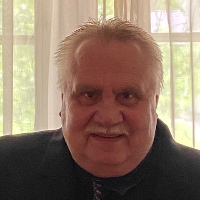
About Scott
Scott Heise is an LCPC practicing in Illinois with 14 years of clinical experience working in community mental health settings.
Background and approach
He earned a master’s degree in counseling psychology and has extensive experience addressing stress, anxiety, addictions, trauma and abuse, depression, grief, sleep difficulties, parenting challenges, anger, self-esteem concerns, career issues, bipolar disorder, coping with life changes, and ADHD.
His work also encompasses aging and geriatric issues, attachment difficulties, avoidant personality features, blended family concerns, caregiver stress, chronic pain and illness, co-morbidity, communication problems, control issues, disaster-related coping, dissociation, domestic violence, substance use, feelings of emptiness, and family of origin issues. Scott’s style is grounded in client-centered care with an empathetic, goal-oriented focus.
He integrates evidence-based methods such as Cognitive Behavioral Therapy and Dialectical Behavior Therapy alongside mindfulness, existential perspectives, and motivational techniques to help clients set practical goals, process trauma, and build coping skills. Sessions aim to be collaborative and respectful of each person’s beliefs and preferences.
Scott provides therapy in English and offers multiple online session formats to accommodate different needs and schedules.
How therapeutic approaches shape online care
Client-Centered Therapy focuses on creating a respectful, empathetic space where the therapist listens carefully and follows the client's pace; this approach supports people who need validation and encouragement while exploring goals and values. Cognitive Behavioral Therapy (CBT) helps identify and shift unhelpful thoughts and behaviors through practical exercises and skills training, which is useful for anxiety, depression, sleep problems, and mood regulation. Dialectical Behavior Therapy (DBT) teaches emotion regulation, distress tolerance, interpersonal effectiveness, and mindfulness skills to help manage intense emotions and improve coping.Finding the most helpful approach is a collaborative process. The therapist works with each person to evaluate needs, goals, and preferences, and will adapt methods over time so the work remains relevant and effective for the individual. Clients are invited to give feedback so the plan evolves with their progress.
Online therapy offers flexibility through video calls, phone sessions, live chat, and text-based messaging, making it easier to fit sessions into busy lives and to access help from home or other convenient locations. These options allow licensed professionals to deliver the same therapeutic techniques in different formats, supporting consistency of care while accommodating schedules and communication preferences.
Frequently asked questions
What types of concerns does Scott address?
What is his general therapeutic approach and style?
How much clinical experience does he have?
What credential and licensure does he hold and where is he based?
Does he provide services in other languages or to international clients?
Which session formats are available for working together?
How are costs and subscriptions handled?
What are the steps to begin working with him?
Specialties and expertise
Top specialties
Also works with
- ADHD
- Aging and geriatric issues
- Anger management
- Attachment issues
- Avoidant personality
- Bipolar disorder
- Blended family issues
- Career difficulties
- Caregiver issues and stress
- Chronic pain, illness, and disability
- Co-morbidity
- Communication problems
- Control issues
- Coping with life changes
- Coping with natural or human-caused disaster
- Depression
- Dissociation
- Domestic violence
- Drug and alcohol addiction
- Emptiness
- Family of origin issues
- Family problems
- Fatherhood issues
- Forgiveness
- Grief
- Guilt and shame
- Isolation / loneliness
- Men's issues
- Midlife crisis
- Mood disorders
- Obsessions, compulsions, and OCD
- Panic disorder and panic attacks
- Paranoia
- Parenting issues
- Personality disorders
- Phobias
- Post-traumatic stress
- Seasonal Affective Disorder (SAD)
- Self esteem
- Self-love
- Sleeping disorders
- Smoking / vaping cessation
- Social anxiety and phobia
- Workplace issues
Therapeutic approaches
- Experience
- 14 years
- Licensed
- Illinois
- Languages
- English