Therapists for Trauma and Abuse in Illinois
This directory lists therapists who focus on trauma and abuse and who hold an active Illinois license to offer online sessions for Illinois clients. Browse the listings below to review approaches, credentials, languages, and experience and to learn more about who may match your needs.


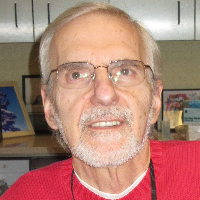


Dr. Shelia Williamson Collins
LPC, LCPCNorth Carolina
- 18 yrs exp
Stress, Anxiety · Addictions · Trauma and abuse · +14
View Profile
Brittany Vaughn
LCSWIllinois
- 12 yrs exp
Stress, Anxiety · Trauma and abuse · Parenting · +13
View Profile
Dr. James English
IL Psychologist 071.005714Illinois
- 30 yrs exp
Relationship · Grief · Depression · +13
View Profile

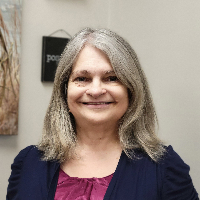


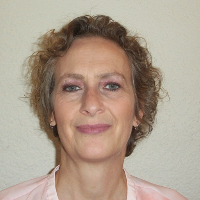
Suzanna Bagley
LPC, LCPCIllinois
- 12 yrs exp
Stress, Anxiety · Relationship · Trauma and abuse · +15
View Profile









Understanding trauma and abuse and how they affect you
Trauma and experiences of abuse can take many forms, including sudden accidents, childhood adversity, interpersonal violence, prolonged neglect, and systemic or community-level harm. The ways these experiences show up in daily life vary. You might notice changes to how you relate to others, shifts in mood, disruptions to sleep or concentration, or a sense of being constantly on edge. Some people describe feeling emotionally numb or disconnected, while others experience intense memories, flashbacks, or heightened reactivity to reminders of the event. There is no single pathway from trauma to healing, and the impacts can involve emotional, cognitive, physiological, and relational dimensions.
Because trauma can reshape the nervous system and the stories you tell yourself about safety and worthiness, responses that feel like obstacles are often natural attempts at survival. You may find yourself avoiding places, people, or topics that trigger distress, or you may notice patterns in relationships that mirror past harm. Understanding these responses as adaptations rather than personal failures can help you approach healing without additional self-blame. In Illinois, therapists listed here hold active state licenses that allow them to offer online care for people living in the state. That licensing is one factor to consider as you look for a clinician who can work with trauma and abuse.
Signs you might benefit from therapy for trauma and abuse
Deciding to look for a therapist often begins with noticing persistent difficulties that interfere with your daily life. You might be struggling with intrusive thoughts or memories that return without warning, or feeling startled and anxious in situations that others do not find threatening. Sleep may be restless, concentrated thinking may be harder than it used to be, and emotions might feel intense or unpredictable. You may also observe changes in how you manage stress - perhaps turning to substances, isolating from friends and family, or having repeated conflicts in relationships.
Another common sign is a pattern of avoidance. If you find yourself steering clear of conversations, places, or activities because they elicit reminders of past harm, that avoidance can limit your sense of freedom and well-being. Relationship issues are also a frequent reason people seek help; trauma can interfere with trust, intimacy, and communication. If everyday functioning at work, school, or home has become more difficult, or if you are coping with long-term consequences of abuse and want a different direction, therapy specifically focused on trauma may be helpful. Seeking help does not mean you are weak - it means you are looking for tools, perspective, and support to reclaim more of your life.
What to expect in trauma-focused therapy sessions
When you begin sessions that focus on trauma and abuse, the early meetings typically center on establishing a sense of safety and understanding your history and current goals. Your therapist will likely ask about the experiences that brought you to therapy, along with their effects on your emotions, relationships, and daily routines. Together you may identify immediate concerns and longer-term aims, such as reducing intrusive memories, improving sleep, rebuilding trust in relationships, or learning coping strategies to manage intense feelings.
Therapy often involves both emotional processing and practical skills. Emotional processing helps you make sense of distressing memories and the meanings tied to them, while skills work focuses on grounding techniques, stress management, and ways to regulate strong physiological responses. Pace and timing are personalized - some people prefer a gradual exploration over many sessions, while others choose more structured interventions designed to address specific symptoms. Throughout the work, you should expect a collaborative process in which you and the therapist decide how and when to address painful material. Because these sessions are online for Illinois clients in this directory, you will also discuss how to create a comfortable environment at home for effective sessions and how to manage moments of high distress between meetings.
Common therapeutic approaches you may encounter
Therapists take different approaches to trauma and abuse, and the listings here note the methods therapists include among their approaches. You may come across therapists who list cognitive behavioral therapy - often abbreviated as CBT - among their approaches, which emphasizes the links between thoughts, feelings, and behaviors and uses structured techniques to change unhelpful patterns. Some profiles include therapists who list trauma-focused cognitive methods among their approaches specifically for processing trauma-related beliefs.
Other profiles may include therapists who list EMDR among their approaches; this is a method focused on processing distressing memories using bilateral stimulation as part of a larger therapeutic protocol. You may also see therapists who list somatic experiencing among their approaches, which concentrates on bodily sensations and the nervous system's role in storing traumatic material. Narrative-oriented work appears on some profiles as well, with therapists who list narrative therapy among their approaches inviting you to reframe personal stories and reclaim a sense of agency. Finally, some therapists include relational or attachment-informed language in their profiles, describing approaches that center how early relationships shape current patterns. Choosing an approach often depends on your goals, your comfort with different styles of work, and the therapist's experience with trauma-related issues as reflected in their profile descriptions. Profiles list languages spoken, typical session length, and professional credentials to help you weigh those factors, while keeping in mind that an approach listed is not a credential or guarantee of a particular outcome.
How online therapy for trauma and abuse works and tips for choosing the right therapist
How online therapy is structured
Online therapy for trauma and abuse can offer flexibility in scheduling and access to clinicians licensed to work with Illinois clients. Sessions are conducted through video, phone, or chat formats, and you and your therapist will decide which mode fits your needs. To prepare, think about a quiet area in your home where interruptions are minimized and where you feel comfortable discussing sensitive material. It can help to have a plan for difficult moments outside of session, such as grounding practices you can use at home or a support person who knows how to help if you feel overwhelmed.
Choosing a therapist who fits your needs
When selecting a therapist from listings, consider factors beyond the general label of trauma. Look at the approaches they include on their profile and imagine how that style would feel to you. If you prefer skills-oriented work, profiles that list structured cognitive approaches may match your interests. If you are curious about addressing bodily sensations, seek therapists who list somatic approaches among their approaches. Pay attention to credentials listed on profiles, but also note experience with populations or life stages similar to yours. Language capabilities, cultural background, and stated areas of focus can influence how well you feel understood and supported.
It is also reasonable to read a therapist's profile for clues about their therapeutic stance - whether they emphasize collaboration, long-term exploration, or shorter-term symptom relief. Some profiles describe working with grief, complex trauma, or single-incident trauma; aligning that language with your priorities can streamline your search. Because all therapists in this directory hold an active Illinois license, you can be assured they meet the state oversight that permits them to provide online care to Illinois residents. Finally, trust your instincts: if a therapist's profile feels like a close fit, many people begin with an initial session to get a sense of rapport and to discuss goals and typical session structure before committing to more work. That first conversation can clarify how the therapist approaches trauma, how they balance processing and skills-building, and whether their style feels comfortable for you.
Finding effective support for trauma and abuse is a personal process. You may try different approaches over time, or you may stay with one clinician who meets your evolving needs. Whatever path you choose, looking for a clinician whose profile reflects experience with trauma-related concerns, who communicates clearly about their approaches, and who holds a current Illinois license can help you move toward greater stability, safety in relationships, and day-to-day functioning. Use the listings here to compare approaches, credentials, languages, and experience as you take the next step toward support.