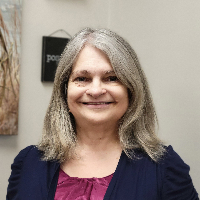
About Elizabeth
Elizabeth Eugea brings more than three decades of counseling experience to people facing stress, anxiety, depression, grief, trauma and abuse, ADHD, relationship and family concerns, parenting challenges, career stress, compassion fatigue, and a wide range of related issues.
Background and approach
She offers practical, skills-based support for problems such as anger, self-esteem struggles, coping with life changes, and complicated topics like abandonment, blended family issues, caregiver stress, codependency, domestic violence, and communication problems. Her work also addresses concerns tied to cancer, forgiveness, guilt and shame, and first responder issues.
As an Illinois Licensed Clinical Professional Counselor (LCPC), Elizabeth blends client-centered values with evidence-based techniques. She emphasizes teaching life skills - what she calls tools for a "life skills toolbox" - so clients gain concrete strategies to manage daily challenges.
Her style is empathic, respectful, and nonjudgmental, focusing on each person’s unique way of learning and growing. With 38 years of practice, she aims to empower people to move toward a more fulfilling and peaceful life by combining compassion with practical interventions.
Approaches that guide online work and practical support
Client-centered therapy focuses on understanding each person's perspective and creating a compassionate, nonjudgmental space where clients feel heard; it helps people explore values and build motivation for change. Cognitive Behavioral Therapy (CBT) helps identify unhelpful thinking patterns and teaches skills to change thoughts and behaviors, which is useful for anxiety, depression, and stress management. Dialectical Behavior Therapy (DBT) emphasizes emotion regulation, distress tolerance, and interpersonal effectiveness, offering concrete strategies for managing intense emotions and improving communication.Finding the right approach is part of the therapeutic process and the therapist will collaborate with the client to determine which methods best fit their needs, goals, and personal preferences. This collaborative stance means techniques can be blended and adjusted over time as progress and priorities evolve.
Online therapy through video calls, phone sessions, live chat, or text-based messaging offers flexibility for scheduling and allows clients to access care from their chosen location. These formats make it easier to maintain continuity of care while fitting sessions into busy lives, and they support ongoing skill practice between appointments.
Frequently asked questions
What concerns does she support in therapy?
What is her therapeutic approach and style?
How long has she practiced counseling?
Where is she licensed and practicing?
Does she offer services in other languages or accept international clients?
In what formats can sessions be held?
How are sessions paid for and what do they cost?
How does someone begin working with her?
Specialties and expertise
Top specialties
Also works with
- Abandonment
- ADHD
- Anger management
- Blended family issues
- Cancer
- Career difficulties
- Caregiver issues and stress
- Codependency
- Communication problems
- Compassion fatigue
- Coping with life changes
- Divorce and separation
- Domestic violence
- Emptiness
- Family conflicts
- Family of origin issues
- Family problems
- Fatherhood issues
- First responder issues
- Forgiveness
- Grief
- Guilt and shame
- Impulsivity
- Infidelity
- Isolation / loneliness
- Jealousy
- Life purpose
- Midlife crisis
- Money and financial issues
- Mood disorders
- Multicultural concerns
- Panic disorder and panic attacks
- Parenting issues
- Postpartum depression
- Prejudice and discrimination
- Relationship issues
- Seasonal Affective Disorder (SAD)
- Self-love
- Trauma and abuse
- Veteran and Armed Forces Issues
- Women's issues
- Workplace issues
- Young adult issues
Therapeutic approaches
- Experience
- 38 years
- Licensed
- Illinois
- Languages
- English