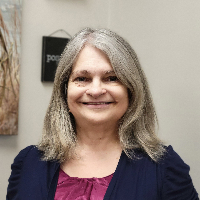
Dr. Shelia Williamson Collins
LPC, LCPCNorth Carolina
- 18 yrs exp
Stress, Anxiety · Addictions · Trauma and abuse · +14
View ProfileThe therapist listings are provided by BetterHelp and we will earn a commission if you use our link - at no cost to you.
Dialectical Behavior Therapy (DBT) is a skills-oriented approach designed to help people manage intense emotions and improve relationships through practical strategies. Below, browse Illinois-licensed therapists who list DBT among their approaches for online sessions.
North Carolina
Stress, Anxiety · Addictions · Trauma and abuse · +14
View ProfileIllinois
Stress, Anxiety · Trauma and abuse · Parenting · +13
View ProfileIllinois
Relationship · Grief · Depression · +13
View ProfileColorado
Stress, Anxiety · Relationship · Trauma and abuse · +17
View ProfileDialectical Behavior Therapy originated as an adaptation of cognitive methods with an emphasis on balancing change and acceptance. At its core, DBT focuses on helping you build practical skills to manage strong emotions, tolerate distressing moments, improve relationships and increase mindful awareness. The term dialectical refers to the idea of holding two seemingly opposite truths - for example, that you can accept yourself as you are while also working to change unhelpful patterns. That balance between acceptance and change informs the tone and structure of DBT and guides the therapist-client interaction.
In practice, DBT emphasizes four clusters of skills. Mindfulness helps you notice thoughts, sensations and feelings without becoming overwhelmed by them. Emotion regulation offers strategies for understanding and reducing the intensity of difficult emotions. Distress tolerance provides short-term techniques to get through crisis moments without making things worse. Interpersonal effectiveness teaches ways to communicate needs and set boundaries while maintaining relationships. Together, these elements give you tools to navigate everyday challenges and crisis situations with less reactivity.
DBT views intense emotional responses as understandable reactions to a person’s life context rather than as character flaws. The approach assumes that people can learn new ways of coping and that change often occurs through structured practice and support. You will often find that DBT blends practical skills training with a validating therapeutic stance that acknowledges the difficulty of change while encouraging gradual progress.
DBT is commonly used when emotion-driven behaviors and relationship difficulties interfere with daily life. Many people seek DBT when they struggle with intense mood swings, repeated conflict in relationships, or patterns of acting in ways that feel impulsive or self-destructive. The approach is also applied to situations where you have a history of crisis responses - such as frequent urges to withdraw, self-harm behaviors or repeated episodes of overwhelming distress - and you want concrete tools to reduce those patterns.
You may pursue DBT for problems that include chronic feelings of emptiness, difficulty tolerating stress, or recurrent relationship ruptures. Therapists frequently adapt DBT skills to address co-occurring concerns like anxiety, trauma-related symptoms, substance use patterns and overwhelming grief, always focusing on practical skill development. Because DBT emphasizes real-world practice and measurable skill use, it tends to appeal to people who want a structured way to reduce emotional reactivity and build more reliable coping strategies.
When you begin DBT work online with an Illinois-licensed practitioner who lists DBT among their approaches, you can expect sessions that combine coaching, skills teaching and problem-solving. Many DBT-informed clinicians structure sessions to review how specific skills were used during the week, discuss any crises that occurred and then practice new strategies together. Sessions often begin with a brief check-in about current mood and behaviors, followed by focused work on a skill relevant to your current life situation.
Homework and practice are central to DBT. You may keep brief daily notes, sometimes called diary cards, to track urges, emotions and skill use. In session, your therapist will help you translate those notes into specific practice goals and troubleshoot barriers to using skills. Some DBT approaches incorporate skills groups or workshops where you learn and rehearse skills in a group setting; other clinicians combine individual sessions with targeted skills training. Because sessions are delivered online to Illinois clients, it is practical to discuss how you will use skills in your home environment and how remote communication will support coaching between sessions.
Typical sessions last 45 to 60 minutes, though formats vary. You should expect a collaborative tone aimed at helping you apply skills to real situations. If you are considering online DBT, ask about whether the clinician includes skills coaching or brief in-between-session support as part of their approach, how homework is reviewed, and how group and individual components are integrated when relevant.
DBT differs from many therapies in its explicit focus on skills training and its dialectical stance - balancing acceptance with change. Where traditional talk therapy may emphasize insight, DBT places a stronger emphasis on practicing concrete strategies to change behavior in the moment. DBT also tends to use structured tools for tracking progress, such as diary cards and clearly defined skill modules, which can make it easier to see incremental change over time.
Compared with approaches that prioritize interpretation of past events, DBT is often more present-focused and skills-oriented. That does not mean exploration of history is absent; rather, DBT weaves understanding of past patterns into the active learning of new responses. Another difference is the use of multi-component treatment structures. Some DBT models combine individual therapy, skills training groups and clinician consultation teams. Even in briefer or adapted formats delivered online, the emphasis on teaching and practicing skills remains central.
DBT can be a good fit if you find that strong emotions, impulsive actions or repeated conflicts interfere with work, relationships or daily functioning and you want practical tools to change those patterns. If you prefer treatment that offers clear skills to practice, focuses on present-moment challenges and pairs support with actionable steps, DBT-style approaches may suit you. It also appeals to people who want a collaborative, coach-like relationship with their clinician that emphasizes skill generalization into everyday life.
That said, DBT is not the only effective option for emotional or interpersonal challenges. You should consider your personal preferences for therapy style, the types of goals you have, and whether you prefer individual work, group learning or a combination. Because every clinician brings a unique therapeutic voice, a good match often depends on how they describe their approach, how they explain the role of skills practice, and whether their style feels like a productive fit for your needs.
Start by looking for Illinois-licensed clinicians who list DBT among their approaches and who describe how they incorporate skills, homework and crisis management into online sessions. Review practitioner profiles for information about clinical focus, professional credentials, languages spoken and whether they offer individual, group or mixed-format work. Pay attention to how a therapist explains the role of skills practice and what kinds of goals they emphasize in treatment descriptions.
When you narrow your options, prepare questions about session structure, how progress is measured, how skills are taught and whether group skills training is available as part of the approach. You may also want to ask about the clinician’s experience working with concerns similar to yours, their typical session length, fee structure and how they handle remote coaching or between-session support. Confirm that the clinician holds an active Illinois license, since that determines who they can work with online in the state. Comparing focus areas, therapeutic style, credentials, languages and experience will help you identify a clinician whose approach aligns with your needs.
Choosing a therapist is a personal process, and it is reasonable to try a few conversations before settling on a fit. By prioritizing clear descriptions of DBT-style work and considering the practical aspects of online delivery, you can find an Illinois-licensed clinician who lists DBT among their approaches and who matches the structure and tone you are looking for in therapy.