Therapists for Forgiveness in Illinois
This directory lists therapists who focus on forgiveness and hold active Illinois licenses to work with Illinois clients via online sessions. Browse the profiles below to compare their approaches, focus areas, languages and experience.
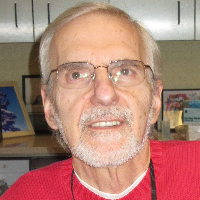



Dr. James English
IL Psychologist 071.005714Illinois
- 30 yrs exp
Relationship · Grief · Depression · +13
View Profile




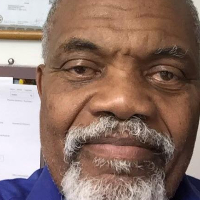









Dr. William Keating
IL Psychologist 071.001764Illinois
- 35 yrs exp
Stress, Anxiety · Relationship · Self esteem · +7
View Profile

Understanding forgiveness and how it affects you
Forgiveness is often described as a personal process that involves changing how you relate to a hurtful event or a person who caused pain. It does not mean that you must forget what happened or that you need to excuse harmful behavior. Instead, forgiveness can involve letting go of persistent anger, reducing resentment, or reshaping the story you carry so it has less power over your daily life. For some people that change brings relief from constant rumination and a clearer sense of personal priorities. For others it opens a path to rebuilding relationships or setting healthier boundaries.
The experience of forgiveness looks different from person to person. You might move toward forgiveness quickly, or you may work through many emotions over months or longer. The process can involve grief, indignation, reflection, and, for many, a decision to focus energy on present and future goals rather than past injuries. Because forgiveness is both an emotional and a cognitive shift, it often touches areas like self-esteem, trust, and how you let others influence your well-being. Recognizing these effects helps you understand why targeted support from a therapist can be useful when forgiveness feels stalled, overwhelming, or unclear.
Signs you might benefit from therapy for forgiveness
You may notice that a past offense occupies a lot of your mental space, causing recurring thoughts or flashbacks that interrupt work, sleep, or relationships. You might find yourself replaying conversations or analyzing motives, which can increase stress and make it hard to engage with everyday activities. Another common sign is difficulty in setting or maintaining boundaries - you may swing between avoidance and confrontation, unsure how to protect yourself without escalating conflict. If carrying resentment seems to shape how you view new situations or people, therapy can help you explore those patterns.
People also seek help when attempts at forgiveness leave them feeling inauthentic or pressured. You might be told by friends or family to simply "move on," yet feel that doing so would betray your experience. In other cases you could be working on reconciliation with someone but find that conversations consistently lead to more hurt. If anger or bitterness affects physical sensations such as tension, sleep disruption, stomach upset, or a general sense of unease, targeted therapeutic work can provide tools for coping and decision-making. Therapy is a space to examine whether forgiveness aligns with your values and safety, and to clarify what forgiveness would realistically look like for you.
What to expect in forgiveness-focused therapy sessions
Initial conversations and goal setting
When you begin working with a therapist about forgiveness you can expect an initial conversation that explores the hurtful event, your current reactions, and what you hope to change. This early stage is about building rapport and identifying concrete goals rather than rushing toward reconciliation. Your therapist will likely ask about the history of the relationship involved, how the incident has affected your daily life, and what outcomes you consider meaningful. You and the therapist may then create a plan that balances emotional processing with practical steps, such as communication strategies or boundary planning.
Ongoing sessions and pacing
Sessions typically combine reflection with active skills practice. You may spend time processing emotions, exploring the narrative you tell about the event, and experimenting with ways to shift unhelpful thought patterns. Therapists often encourage small behavioral experiments - for example, trying a new conversation approach or practicing self-directed compassion techniques between sessions. Progress is rarely linear; some weeks you might feel significant insight, and other weeks the same issues resurface. A therapist helps you pace the work so you do not feel overwhelmed while still moving toward the goals you set together.
Common therapeutic approaches used for forgiveness work
Therapists use a variety of approaches when working on forgiveness, and it is common for a clinician to combine methods to fit your needs. Many therapists incorporate cognitive approaches that help you examine and reframe persistent thoughts that fuel anger or self-blame. Others draw on acceptance-based practices that encourage you to hold difficult feelings without letting them dictate your behavior. Narrative-informed work focuses on how you story your life, helping you rewrite a personal narrative so the hurt no longer defines you.
Mindfulness and compassion-focused techniques are also frequently employed to teach present-moment awareness and self-directed kindness, which can be important when shame or self-criticism interferes with forgiveness. Some therapists list trauma-informed methods among their approaches for clients who experienced betrayal that felt traumatic. Therapists who list expressive or experiential approaches may use role-play, guided imagery, or letter-writing exercises to help you access and process emotion in a contained way. When reading profiles, note that a therapist listing an approach does not imply credentialing in that method; instead use these listings to understand the kinds of tools a clinician commonly draws on.
How online therapy works for forgiveness and how to choose a therapist
Online sessions: what to expect
Online therapy for forgiveness is delivered through video, phone, or messaging, depending on the therapist's offered formats. All professionals listed here hold an active Illinois license, which allows them to provide online services to clients located in Illinois. You can expect a similar therapeutic structure to in-person care - intake, goal setting, and ongoing sessions - while enjoying the flexibility of remote access. Online work can make it easier to schedule sessions around your life and to practice insights in real-time between sessions. Think ahead about where you will take sessions so you can speak freely in a comfortable environment and manage interruptions.
Choosing the right therapist for forgiveness work
Selecting a therapist involves more than picking an approach. When you read profiles, compare focus areas to find clinicians who mention forgiveness, betrayal, grief, or related concerns as part of their practice. Look at the approaches they list so you can identify whether you prefer a more cognitive, experiential, or compassion-oriented style. Pay attention to credentials and licensure details - all listed therapists hold active Illinois licenses - and note languages, years of experience, and populations they commonly work with. These details help you find someone whose background aligns with your needs.
It is also helpful to consider practical matters that affect the therapeutic fit. Think about session length, fee structure, and whether the clinician offers phone or text check-ins in addition to video. Consider how you prefer to receive feedback - some people want direct skill-building and homework, while others prefer a gentler, exploratory pace. When making first contact, you can ask about a therapist's experience working with forgiveness, the kinds of strategies they commonly use, and what a typical course of work might look like. Trust your sense of safety and rapport during the first few interactions; feeling heard and respected is a key part of productive forgiveness work.
Moving forward with intention
Forgiveness is a personal decision and a process that can change how you relate to the past and to others. If you are considering therapy, look for a clinician who communicates clearly about their focus and methods, who holds an active Illinois license so they can legally offer services to clients in the state, and whose profile reflects an approach that resonates with you. Online sessions make it easier to connect with therapists who specialize in forgiveness regardless of geographic distance, while still operating under Illinois licensure rules. As you review listings, concentrate on fit - approaches, experience, language, and areas of focus - to find a therapist who can support you in shaping the next chapter of your story.