Therapists for Communication Problems in Illinois
This directory lists therapists licensed in Illinois who offer online sessions focused on communication problems. Browse the listings below to review approaches, languages, credentials, and focus areas that may match what you are looking for.



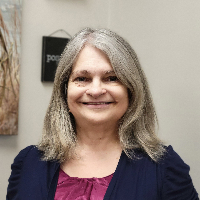
Dr. Shelia Williamson Collins
LPC, LCPCNorth Carolina
- 18 yrs exp
Stress, Anxiety · Addictions · Trauma and abuse · +14
View Profile
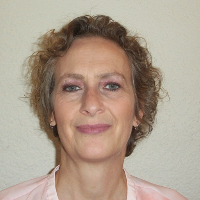
Brittany Vaughn
LCSWIllinois
- 12 yrs exp
Stress, Anxiety · Trauma and abuse · Parenting · +13
View Profile

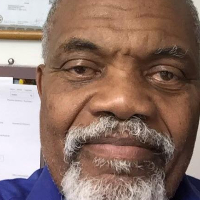
Dr. James English
IL Psychologist 071.005714Illinois
- 30 yrs exp
Relationship · Grief · Depression · +13
View Profile





Suzanna Bagley
LPC, LCPCIllinois
- 12 yrs exp
Stress, Anxiety · Relationship · Trauma and abuse · +15
View Profile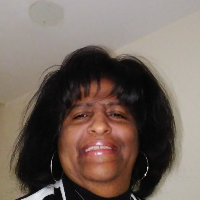







Understanding communication problems and their impact
Communication problems cover a broad range of difficulties that interfere with the way you relate to others, express needs, and resolve conflict. For some people the challenge is finding the right words at the right time. For others it is managing emotional reactivity so conversations do not escalate. Communication problems can appear in romantic relationships, with family members, at work, and with friends. They can also affect how you present yourself in interviews or collaborate on teams. Over time, repeated misunderstandings can erode trust, create distance, and make everyday interactions feel draining rather than energizing.
Because communication shapes most human relationships, improving how you share thoughts and feelings often produces ripple effects across many areas of life. You might notice better mood, stronger trust, and increased ability to negotiate needs when tensions arise. Therapy focused on communication problems helps you identify patterns that keep conversations stuck and learn alternative ways of relating that feel more effective and authentic. In Illinois, therapists who are licensed to work with clients online may describe a variety of approaches and specialties on their profiles - reviewing those descriptions can help you find clinicians whose style resonates with your goals.
Signs you might benefit from therapy for communication problems
You may be considering therapy because conversations leave you feeling misunderstood, shut down, or resentful more often than not. Repeated arguments that circle around the same topics, feeling unheard, or avoiding conversations to prevent conflict are common indicators that communication patterns could use attention. Another sign is when you notice physical reactions during exchanges - such as rapid heartbeat, muscle tension, or a sense of blanking out - that make it hard to stay present and respond thoughtfully.
If you find that attempts to give feedback are met with defensiveness or that you default to apologizing to end a discussion, therapy can help you shift those automatic responses. The need for help can also arise when you are starting a new kind of relationship or role, such as parenting, co-parenting, or a leadership position, and want to build clearer, healthier ways of interacting. You do not need to wait until things become severe to seek support; early work on communication skills can prevent patterns from becoming entrenched and make daily interactions more satisfying.
What to expect in therapy sessions focused on communication problems
When you pursue therapy for communication problems, sessions typically begin with a collaborative assessment of what is most challenging for you. Your therapist will ask about the relationships that matter, the moments when communication breaks down, and the outcomes you want to achieve. Early meetings often involve mapping patterns - who tends to react in which way, what topics trigger escalation, and what strengths already exist. This helps you and your therapist identify specific goals that feel practical and measurable.
Therapy sessions are a space to practice new skills in real time. You may do structured exercises that build listening skills, clarify boundaries, or teach ways to express needs without blame. Role play and behavioral experiments are commonly used so you can rehearse alternative responses and receive immediate feedback. Homework between sessions is often assigned - for example, trying a new conversation strategy or observing your own emotional cues - so that changes made in session translate into everyday life. Over time you will likely notice increased confidence in starting hard conversations, improved clarity when explaining your perspective, and greater tolerance for others who communicate differently than you do.
Common therapeutic approaches used for communication problems
Therapists bring a range of approaches to work on communication, and many describe multiple methods on their profiles. Some therapists emphasize skills-building models that focus on measurable strategies for listening, asserting needs, and negotiating solutions. Others take a relational approach, exploring how early patterns and attachment history influence the way you connect and communicate today. Cognitive approaches may help you identify thoughts that fuel reactivity, while emotion-focused work supports recognizing and tolerating feelings that interfere with clear expression.
If you look at therapist profiles you may see references to particular modalities. For example, some therapists list narrative or systemic approaches among their tools, which can be useful for seeing communication problems in the context of family or organizational patterns. Others list methods that center on emotion processing or behavioral rehearsal. It is appropriate to seek therapists who list approaches that resonate with you, keeping in mind that listing an approach does not by itself indicate specific training or outcomes. When reviewing profiles, focus on how a therapist describes applying their methods to communication challenges and any populations or relationship contexts they highlight, such as couples, family systems, or workplace dynamics.
How online therapy works for communication problems and tips for choosing the right therapist
How online sessions can support communication goals
Online therapy creates a practical pathway to work on communication skills from wherever you are. Sessions usually happen via video or audio calls, which allow you to observe and practice conversational techniques in a setting that is familiar and less pressured than an office visit might feel. Video sessions make it possible for your therapist to notice nonverbal cues and for you to practice eye contact, tone modulation, and rhythm in conversation. If you bring a partner or family member into sessions, online formats often make scheduling easier and can reduce the logistical barriers that keep people from consistent work.
Because sessions are virtual, you should prepare an environment where you can talk without interruptions and with enough space to engage fully. That might mean finding a quiet room, using headphones to improve audio quality, and agreeing with household members about not interrupting during session time. Online work also allows for flexible use of resources - your therapist may share worksheets, short videos, or recorded exercises that you can review between sessions to reinforce new habits.
Tips for choosing a therapist for communication problems
Begin by clarifying what you want to change in your interactions and what style of help would feel most useful. Do you want practical scripts and skills, deeper exploration of emotional triggers, or support navigating communication within a family or workplace system? Use those priorities to guide which therapist profiles you explore. Pay attention to how therapists describe their focus areas, the populations they mention, and the approaches they list. Consider language offerings, years of experience, and any professional credentials noted, since these details can influence how comfortable you feel during sessions.
It can be helpful to read a few profiles and note which descriptions feel most relatable. When you contact a therapist, plan questions about how they structure sessions for communication work, what kinds of exercises they commonly use, and how they measure progress. You may also ask how they involve partners or family members when that is relevant to your goals. Remember that finding the right therapist is about fit - how you connect with their description of practice and whether their approach aligns with your preferences for active skill-building or reflective exploration. Because all listed therapists are licensed in Illinois and offer online sessions, you can focus on comparing approaches, languages, and areas of focus rather than geographic proximity.
Working with a therapist on communication problems can be a practical, skills-focused journey or a deeper exploration of relational patterns. Either way, online sessions licensed for Illinois clients make it possible to access consistent support while you practice new ways of relating. Take time to review profiles, reflect on what you want to change, and choose someone whose description feels like a match for the work you want to do.