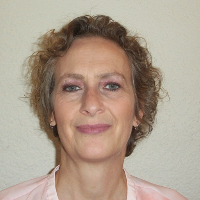
About Suzanna
Suzanna Bagley is a licensed clinician who blends practical, solution-oriented work with trauma-informed and cognitive approaches to help clients move forward.
Background and approach
With a Master’s in clinical psychology and 12 years of experience, she draws on Cognitive Behavioral Therapy to address unhelpful thinking patterns, Solution-Focused techniques for goal-driven work, and Trauma-Focused methods when past events continue to affect daily life. She holds licenses as an LCPC in Illinois (license 180.009943) and as an LPC in Virginia (license 0701015857).
Suzanna aims to meet people where they are, using an easygoing style that can include light humor or direct feedback when it serves progress. She emphasizes validation and active listening, helping clients identify realistic steps toward their goals while offering structure when needed.
Her practice covers a broad range of concerns including stress, anxiety, mood disorders, relationship and intimacy issues, grief, self-esteem, and career transitions, among others. If a trauma history is present, she works to explore triggers and develop coping strategies tailored to each person’s needs.
Prospective clients are encouraged to reach out to learn how her blend of approaches might fit their situation.
Practical Approaches for Online Healing
Many of Suzanna’s interventions translate well to remote work, beginning with Cognitive Behavioral Therapy which focuses on identifying and changing unhelpful thoughts and behaviors to reduce anxiety and improve mood. This approach is useful for issues like stress, panic, depression, and mood regulation because it targets patterns that play out in daily life. Solution-Focused Therapy emphasizes clear, practical goals and small steps toward change, making it a good fit for clients seeking brief, outcome-oriented work or support with specific problems.Choosing the right approach is a collaborative process. The therapist partners with each person to assess needs, preferences, and goals, and then tailors interventions rather than applying a one-size-fits-all method. That collaborative stance helps ensure the work stays practical, focused, and responsive to what is most helpful in the moment.
Online sessions are offered via video calls, phone sessions, live chat, or text-based messaging to provide flexibility for different schedules and communication styles. Remote formats can make it easier to maintain continuity of care during life transitions, reduce travel time, and allow work on skills and goals in the context of everyday environments while still receiving structured therapeutic support.
Frequently asked questions
What concerns does this therapist address?
What therapeutic style can I expect in sessions?
How long has she been practicing clinically?
Where is the therapist licensed and based?
In which languages does she provide services?
What session formats are available for therapy?
How are fees and scheduling handled?
What is the first step to begin therapy?
Specialties and expertise
Top specialties
- Stress, Anxiety
- Relationship issues
- Trauma and abuse
Also works with
- ADHD
- Anger management
- Bipolar disorder
- Career difficulties
- Coaching
- Communication problems
- Compassion fatigue
- Coping with life changes
- Depression
- Family conflicts
- Grief
- Intimacy-related issues
- Isolation / loneliness
- LGBT
- Life purpose
- Midlife crisis
- Mood disorders
- Narcissism
- Parenting issues
- Seasonal Affective Disorder (SAD)
- Self esteem
- Self-love
- Sleeping disorders
- Women's issues
Therapeutic approaches
- Experience
- 12 years
- Licensed
- Illinois, Virginia
- Languages
- English