Therapists for Trauma-Focused Therapy in Illinois
Trauma-Focused Therapy is an approach designed to help people process and integrate experiences that continue to affect daily life. Below you can browse Illinois-licensed therapists who list this approach and review their profiles to learn more about their methods and experience.


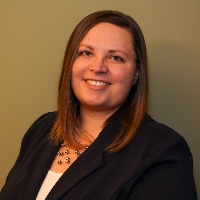
Brittany Vaughn
LCSWIllinois
- 12 yrs exp
Stress, Anxiety · Trauma and abuse · Parenting · +13
View Profile

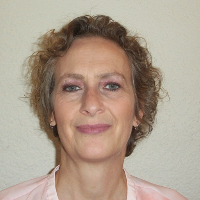
Suzanna Bagley
LPC, LCPCIllinois
- 12 yrs exp
Stress, Anxiety · Relationship · Trauma and abuse · +15
View Profile









Heather Friend
LCSW, CSWColorado
- 8 yrs exp
Stress, Anxiety · Relationship · Trauma and abuse · +17
View Profile



Dr. Nicole Ford
LPC, LCPCSouth Carolina
- 15 yrs exp
Stress, Anxiety · Trauma and abuse · Self esteem · +8
View Profile



What Trauma-Focused Therapy Is and the Principles Behind It
Trauma-Focused Therapy refers to a family of clinical approaches that center on the effects of traumatic events and the ways those events shape thoughts, emotions and behavior. At its core, this kind of therapy seeks to help you understand how past experiences are influencing your present functioning and to develop strategies to reduce distress and improve coping. Practitioners who list trauma-focused approaches typically emphasize safety, stabilization and careful processing - working at a pace that matches your needs and tolerances.
The underlying principles include creating a strong working relationship with you, assessing how trauma symptoms show up in your life, teaching skills to manage intense emotions and gradually addressing traumatic memories or reminders in ways that reduce their power. Sessions often combine talk-based exploration with skills training and structured interventions to help you reorganize meaning around the events that continue to cause suffering. Because this directory covers therapists licensed in Illinois who provide online services, you can look for clinicians whose credentials and descriptions match the principles you find most important.
Core elements you may encounter
You can expect a trauma-focused approach to include attention to safety and pacing, stabilization techniques to help manage intense reactions, and deliberate efforts to process memories or beliefs related to the trauma. Some therapists will reference specific tools or methods in their profiles; when you read those descriptions, note whether they emphasize gradual exposure, skills training, or narrative integration so you can match the approach to your comfort level and goals.
Common Issues Trauma-Focused Therapy Is Used For
Trauma-Focused Therapy is commonly used for a range of concerns that stem from or are maintained by traumatic experiences. People often seek this approach for symptoms such as persistent anxiety, intrusive memories, nightmares, heightened startle response, avoidance of reminders, and difficulties with trust or relationships after distressing events. The approach is also used when trauma contributes to mood disturbances, sleep problems, or challenges in managing daily responsibilities.
Trauma itself can arise from many sources - single incidents, repeated adversity, or long-term stressful environments - and the clinical focus is on how those experiences are affecting you now. Therapists who list trauma-focused approaches often work with people who have experienced accidents, interpersonal violence, loss, medical trauma, or childhood adversity. Because trauma reactions vary widely, the content of therapy is tailored to address the particular ways your history shows up in current thoughts, feelings and behaviors.
Why people choose trauma-focused care
You might choose a trauma-focused approach if you want a treatment plan that explicitly addresses the memories and emotional patterns linked to painful events. Many people are drawn to this focus because it aims not only to reduce symptoms but also to help you reclaim a sense of safety, control and meaning in daily life.
What a Typical Trauma-Focused Therapy Session Looks Like
A typical session begins with a check-in about how you have been since your last appointment and a brief assessment of symptoms and safety. Early sessions often emphasize building skills to manage distressing emotions, such as grounding exercises, breathing techniques and strategies to reduce physiological arousal. Your therapist will likely tailor these tools to work in an online setting and will discuss how to implement them between sessions so you can practice outside of therapy time.
As the work progresses, sessions may include structured exercises to help you process memories or beliefs related to traumatic events. Processing is usually gradual - your therapist will collaborate with you to determine when it feels manageable to address painful material. Some sessions are devoted to exploring and challenging unhelpful beliefs that arose from trauma, while others may focus on behavioral experiments to help you reconnect with activities and relationships that support well-being.
What to expect in an online format
In online sessions, the therapist and you will adapt practices to the virtual environment. That may mean creating a plan in advance for managing intense distress during a video call, identifying a safe place where you can be during sessions and establishing communication signals to indicate when you need a pause. Many practitioners will also discuss how to practice skills between sessions and may provide worksheets or recorded exercises that you can use at home.
How Trauma-Focused Therapy Differs from Other Approaches
Trauma-Focused Therapy differs from general supportive therapy or broad psychodynamic work in that it explicitly targets the impact of traumatic experiences and prioritizes interventions aimed at reducing trauma-related symptoms. While many therapeutic approaches explore feelings and relationships, trauma-focused work often includes specific techniques for processing memories, reorganizing trauma-related beliefs and teaching skills to manage physiological arousal.
Compared with approaches that emphasize insight-oriented exploration without direct memory processing, trauma-focused work tends to be more structured and goal-oriented. That said, trauma-focused therapy can incorporate relational elements and can be flexible about pace, combining exploration of meaning with behavioral and cognitive strategies. When reviewing therapist profiles, you may notice some clinicians list trauma-focused care alongside other approaches; in those cases, their descriptions can help you understand how they balance direct processing with broader therapeutic goals.
Choosing the right fit based on approach
If you prefer a more structured plan with skills practice and gradual processing, a therapist who highlights trauma-focused methods might match your needs. If you are more interested in open-ended exploration of your life narrative, you may prefer someone who emphasizes long-term psychodynamic work but still lists trauma among their clinical interests. Reading profile descriptions closely will help you identify clinicians whose stated methods align with how you want to work.
Who Is a Good Candidate and How to Find the Right Therapist
Trauma-Focused Therapy can be appropriate for many people who are struggling with the ongoing effects of traumatic events, but it is most helpful when you and your therapist agree on goals and pace. You may be a good candidate if you are motivated to address trauma-related symptoms, willing to learn and practice coping strategies, and able to engage in talk-based and structured exercises in an online format. Some people prefer to focus initially on stabilization before moving into direct memory work; others may start processing sooner. A therapist's profile can indicate whether they emphasize stabilization, processing, or a blended approach.
When looking for an Illinois-licensed clinician who lists Trauma-Focused Therapy, review profiles for information about professional credentials, areas of experience, and languages offered. Pay attention to how therapists describe their approach to trauma - whether they emphasize safety and skills, gradual exposure, narrative integration, or other methods - and consider which descriptions feel most aligned with your needs. Because every therapist in this directory holds an active Illinois license, each one is authorized to provide online services to Illinois residents. Use therapists' written profiles to compare how they describe their practice style, session structure and typical goals so you can select someone who matches your preferences.
Practical steps to narrow your search
Start by identifying a few profiles that resonate with you, then read their descriptions for language about session structure, communication style and the kinds of issues they address. Think about whether you prefer a therapist who emphasizes skills training, someone who focuses on memory processing, or a clinician who blends multiple strategies. Consider credentials that matter to you and whether you want sessions conducted in a specific language. Gathering this information will help you decide which clinicians to reach out to for an initial conversation about fit.
Finding the right therapist is a personal process. Use the profiles of Illinois-licensed clinicians who list Trauma-Focused Therapy in this directory as a starting point to learn about approaches, compare how practitioners describe their work and identify who might be the best fit for your goals and comfort level. Taking time to read descriptions and think about your priorities will help you choose a path that supports your healing and day-to-day functioning.