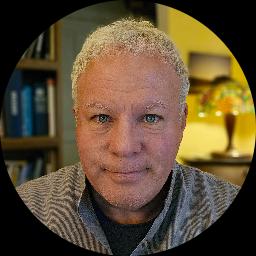
About Mark
Mark Beiser draws on nearly three decades of clinical experience to support people facing stress, anxiety, trauma, depression, relationship and intimacy concerns, grief, parenting challenges, ADHD, and a broad range of related issues.
Background and approach
He emphasizes practical, step-by-step change - helping clients shift choices and behaviors first so thoughts and feelings follow - which can be especially useful for those coping with trauma, mood disorders, compulsive behaviors, or life transitions.
His style is grounded and respectful; he aims to build trust through genuineness while using evidence-informed tools such as mindfulness practice, thought regulation, and trauma-focused strategies. Mark helps clients address motivation and confidence as part of the therapeutic process, guiding measurable progress toward personal goals.
He also brings experience working with matters like chronic illness and pain, family and blended family dynamics, adoption and foster care concerns, obsessive-compulsive symptoms, process addictions, and issues linked to aging and traumatic brain injury.
Licensed as an LCPC in Illinois, Mark blends cognitive and narrative techniques with motivational interviewing when appropriate, tailoring methods to each person’s needs while keeping the work practical and focused on real-world change.
Approaches that translate well to online therapy
Mark integrates Cognitive Behavioral Therapy and Mindfulness Therapy in ways that adapt well to remote work. CBT focuses on identifying and testing unhelpful thoughts and building new behavioral patterns, which can be practiced and tracked between sessions. Mindfulness Therapy teaches attention and awareness skills that clients can learn through guided exercises and brief daily practices to reduce reactivity and improve emotional regulation.He also uses Motivational Interviewing to help clarify values and strengthen commitment to change; that conversational, client-centered method works well in virtual sessions where goal-setting and incremental steps are emphasized. Finding the best mix of approaches is a collaborative process - the therapist will work with each client to choose methods based on current needs, goals, and preferences and adapt techniques over time as progress unfolds.
Online formats such as video calls, phone sessions, live chat, and text-based messaging offer flexibility for scheduling and make it easier to maintain continuity during life changes. These options can help clients practice skills in real time, check in between sessions, and fit therapy into busy routines while receiving guidance from a licensed professional.
Frequently asked questions
What kinds of concerns does this therapist address?
How would you describe the therapeutic approach and style?
What is the therapist's experience and background?
What credentials and location apply to this practitioner?
Are services offered in other languages or to international clients?
What session formats are available for therapy?
How is cost handled for sessions?
What are the first steps to begin therapy?
Specialties and expertise
Top specialties
- Stress, Anxiety
- Trauma and abuse
- Parenting issues
Also works with
- ADHD
- Adoption and foster care
- Aging and geriatric issues
- Anger management
- Bipolar disorder
- Blended family issues
- Chronic pain, illness, and disability
- Compassion fatigue
- Coping with life changes
- Depression
- Disruptive Mood Dysregulation Disorder (DMDD)
- Family conflicts
- Forgiveness
- Grief
- Infidelity
- Intimacy-related issues
- Jealousy
- Obsessions, compulsions, and OCD
- Paranoia
- Post-traumatic stress
- Process addiction (porn, exercise, gambling)
- Relationship issues
- Seasonal Affective Disorder (SAD)
- Self esteem
- Self-harm
- Traumatic brain injury
Therapeutic approaches
- Experience
- 28 years
- Licensed
- Illinois
- Languages
- English