Therapists for Post-Traumatic Stress in Illinois
This page lists therapists licensed in Illinois who offer online sessions for post-traumatic stress. Browse the listings below to compare approaches, credentials, languages and experience as you look for a clinician who fits your needs.



Dr. Shelia Williamson Collins
LPC, LCPCNorth Carolina
- 18 yrs exp
Stress, Anxiety · Addictions · Trauma and abuse · +14
View Profile
Brittany Vaughn
LCSWIllinois
- 12 yrs exp
Stress, Anxiety · Trauma and abuse · Parenting · +13
View Profile






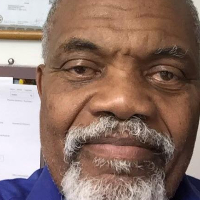










Dr. William Keating
IL Psychologist 071.001764Illinois
- 35 yrs exp
Stress, Anxiety · Relationship · Self esteem · +7
View Profile

Understanding post-traumatic stress and how it can affect you
Post-traumatic stress is a response that can follow exposure to events that threaten your sense of safety or well-being. It does not look the same for everyone. For some people, the most visible effects are intrusive memories, flashbacks or recurring nightmares that make daily life feel unpredictable. For others, the impact is subtler - a constant sense of hypervigilance, trouble sleeping, emotional numbness or difficulty trusting others. These reactions may show up right away, or they may develop over time when reminders, life changes or cumulative stressors make symptoms harder to manage.
You may also notice changes in how you relate to work, school or relationships. Concentration can become difficult, anger can surface more easily, and activities that used to bring relief may feel hollow. Physical symptoms such as headaches, muscle tension or digestive upset are common companions to emotional distress. Understanding that post-traumatic stress is a pattern of reactions rather than a personal failing can help you take steps toward support. Therapy is one of the ways people explore those patterns and learn methods to reduce distress and reclaim routines.
Signs you might benefit from therapy for post-traumatic stress
Deciding to seek help often begins with recognizing what is interfering in your day-to-day life. If you find yourself avoiding places, conversations or activities because they trigger memories, or if reminders of an event cause overwhelming fear or panic, therapy might help you address those responses. Persistent problems with sleep, concentration or mood that have not improved over time are another signal that professional support could be useful. You might also notice repeated cycles of emotional withdrawal or relationship strain that leave you feeling isolated or misunderstood.
Other reasons people pursue therapy include wanting to reduce the intensity of intrusive memories, learning coping skills to manage sudden distress, or processing a past event in a way that feels safer and more contained. If symptoms lead you to turn to unhealthy coping strategies, or if you worry that stress reactions are limiting your work, schooling, parenting or social life, reaching out to a therapist can be a first practical step. Therapy is not a single, one-size-fits-all intervention - it is a conversational and often experiential process that helps you explore symptoms, goals and strategies in a collaborative way.
What to expect in therapy sessions focused on post-traumatic stress
When you begin therapy for post-traumatic stress, the first phase typically focuses on establishing safety and clarity about what you want to address. Early sessions are often spent getting a sense of your history, current symptoms and priorities. Your therapist will likely ask questions about how symptoms started, how they show up in your daily life and what steps you have already tried to feel better. This is also the time to discuss practical considerations for online sessions, such as how to handle strong emotions during a video meeting and what options you have if you need a pause.
As therapy progresses, you and your clinician will work through goals at a pace that feels manageable. For some people the work centers on developing coping strategies to manage triggers and reduce distress in the moment. For others the focus may turn to processing memories or learning new ways to relate to difficult thoughts and feelings. Sessions may include talking, focused exercises, skill-building and homework you can practice between meetings. The rhythm of sessions and therapeutic techniques will depend on what you and the therapist agree is most helpful for the particular challenges you are facing.
Common therapeutic approaches used for post-traumatic stress
Therapists vary in the methods they describe on their profiles, and that diversity allows you to look for an approach that feels aligned with your preferences. Some clinicians highlight cognitive-behavioral approaches that focus on identifying and shifting unhelpful thinking patterns and behaviors that maintain distress. Others emphasize body-oriented or somatic methods that attend to how trauma shows up physically in your nervous system. There are therapists who list movement toward exposure-based strategies that help you safely approach feared memories or situations in a gradual way.
You will also find therapists who list EMDR among their approaches, and those who describe narrative or meaning-focused work that helps you integrate traumatic memories into a broader life story. Some clinicians combine elements from different approaches to tailor care to each person. When reviewing therapist profiles, note the language they use to describe approaches and look for explanations that match how you prefer to work - whether that means structured skills practice, exploratory conversation, or techniques that involve attention to bodily sensations. Remember that describing a method on a profile does not speak to individual credentials or outcomes; it indicates that a therapist uses that approach in their practice.
How online therapy works for post-traumatic stress
Online therapy allows you to meet with a clinician from a location that feels comfortable for you. Sessions typically take place over video or phone, and many people appreciate the flexibility this provides around scheduling and commuting. For work with post-traumatic stress, the online setting can be especially convenient when access to in-person options is limited or when you prefer the familiarity of your own surroundings while you process difficult memories.
Therapists who provide online services adapt safety planning and grounding techniques to the virtual context. You and your clinician will likely agree on a plan for managing strong reactions during a session, including steps to take if you need a break or if technology interrupts your meeting. Because all therapists listed here hold an active Illinois license, they are authorized to offer services to people who are located in Illinois during sessions. That licensing detail is an important practical consideration when you seek a clinician who can legally provide remote therapy to you.
Choosing the right therapist for post-traumatic stress
Picking a therapist is a personal decision and it can help to prioritize a few practical factors. Reflect on the style of therapy you prefer - whether you want a structured approach with homework and skill practice, a process that centers emotional exploration, or a blend of both. Look at the languages a therapist lists if communication in a particular language is important to you. Consider the clinicians' stated focus areas to find someone who describes working with trauma and related patterns in a way that resonates.
Profiles often list professional credentials and years of experience. Those details can help you orient to background information, but they do not replace an initial conversation. When you contact a therapist, you can ask about their typical session structure for trauma-related work and what a few early sessions might focus on. Think about logistics that matter to you - session length, the technology used, and whether fee structure aligns with your budget. Finally, trust your sense of rapport; feeling heard and respected by a clinician is a central part of effective work. Use the listings below to gather options and then reach out to the therapists whose descriptions feel like a good match for how you want to engage with healing and recovery.