Therapists for Infidelity in Illinois
This directory lists therapists who work with issues related to infidelity and who hold an active Illinois license. Each profile includes stated approaches, focus areas, credentials, and language options to help you review options.
Browse the listings below to learn about therapists who offer online sessions for Illinois clients and find profiles that match the kind of support you want.


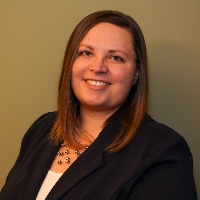
Brittany Vaughn
LCSWIllinois
- 12 yrs exp
Stress, Anxiety · Trauma and abuse · Parenting · +13
View Profile
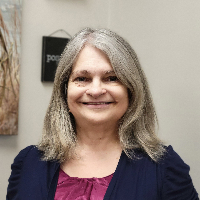





Dr. William Keating
IL Psychologist 071.001764Illinois
- 35 yrs exp
Stress, Anxiety · Relationship · Self esteem · +7
View Profile



Heather Friend
LCSW, CSWColorado
- 8 yrs exp
Stress, Anxiety · Relationship · Trauma and abuse · +17
View Profile




Shelia Cisco
LCPCIllinois
- 12 yrs exp
Relationship · Trauma and abuse · Intimacy-related issues · +4
View Profile

Deborah Taylor
LCSWIllinois
- 47 yrs exp
Stress, Anxiety · Relationship · Trauma and abuse · +9
View Profile

Understanding infidelity and how it affects people
What infidelity encompasses
Infidelity can mean different things to different people. For some it refers to sexual encounters outside a relationship, for others it includes emotional intimacy with someone outside the partnership, online or social media interactions that cross agreed boundaries, or financial and secrecy behaviors that feel like betrayals. Whatever form it takes, the discovery of an affair often shifts how partners see themselves and the relationship.
You may experience shock, disbelief, shame, anger, or a persistent feeling of uncertainty. These reactions are common and do not reflect weakness. The emotional fallout can affect daily functioning, work, sleep, and satisfaction with the relationship. If you are the person who had the affair, you may be dealing with guilt, defensiveness, or a desire to explain. If you are the partner who was hurt, you may find your sense of trust and safety eroded. Children, extended family, and social networks can also be drawn into the aftermath, which complicates decision-making and care plans.
In Illinois, the therapists listed on this page all hold an active license that allows them to provide online sessions to people within the state. When you read profiles, you will see how therapists describe the kinds of infidelity they work with and the kinds of relational and emotional concerns people bring to therapy.
Signs you might benefit from therapy for infidelity
Indicators that professional support could help
You might consider therapy if the discovery or disclosure of infidelity has left you feeling stuck, overwhelmed, or unable to communicate with your partner. Recurring arguments about the past, avoidance of conversations, intrusive thoughts, changing sexual patterns, or a persistent desire to end the relationship are signs that outside help could be useful. Therapy can also be helpful if you are trying to decide whether to stay, separate, or redefine the relationship and want a structured space to explore options more clearly.
If you notice that daily routines are disrupted, that you or your partner are withdrawing from friends or responsibilities, or that one or both of you are repeating the same harmful patterns, therapy can provide time to slow down and identify what is driving those dynamics. You may seek therapy to process grief, to rebuild communication skills, to manage intense emotions, or to address trauma responses that emerged after the event. People come to infidelity work looking for support in managing immediate reactions and for practical ways to move forward, whether together or apart.
What to expect in therapy sessions focused on infidelity
How therapists typically structure work on betrayal
When you begin infidelity-focused therapy, the first phase often involves assessment and creating a plan that reflects your goals. A therapist will likely ask about the timeline, what happened, how each person experienced it, and what you hope to change. Sessions may include individual meetings, joint sessions with both partners, or a combination designed to address both personal trauma and relational patterns. Therapists usually attend to safety, emotion regulation, and the immediate needs of each person before moving into deeper relational work.
In-session work can include exploring the meaning of the betrayal, identifying repeated patterns that contributed to the situation, and practicing new ways of communicating. Therapists may help you create boundaries and agreements that feel realistic for your relationship, or they may support you in processing loss, building self-compassion, and planning next steps if separation is under consideration. Expect a pacing that respects how quickly you and your partner can tolerate intense conversations. Homework between sessions may involve communication exercises, reflective writing, or practical tasks to test new ways of interacting.
It is common for therapy to shift over time. Early sessions may focus on stabilizing emotions and creating a shared understanding of events. Later sessions often concentrate on repairs, rebuilding trust where desired, and strengthening patterns that support healthier interaction going forward. Your therapist should discuss goals with you throughout the process so that work aligns with what you want to accomplish.
Common therapeutic approaches used for infidelity
How approaches appear on profiles and what they address
Therapists describe their work in different ways. On profiles you will see a range of approaches listed. Some therapists list Emotionally Focused Therapy among their approaches, which emphasizes attachment needs and the emotional patterns that shape how partners respond to distress. Others list cognitive-behavioral approaches, which focus on thoughts and behaviors that maintain conflict and offer practical strategies to change interactions. You may also encounter therapists who list psychodynamic approaches, narrative therapy, acceptance and commitment methods, mindfulness-based practices, or trauma-informed care among their approaches.
When a profile lists couples-focused methods such as Gottman-influenced or other relational frameworks, that usually indicates an emphasis on communication patterns, conflict management, and rebuilding intimacy. Similarly, some therapists list EMDR among their approaches as one option some clients mention for addressing intrusive memories and intense emotional responses, though each therapist varies in how they integrate any method. Profiles often indicate whether the therapist works primarily with couples, individuals, or both, and whether they list infidelity, betrayal, or relationship repair as focus areas.
Because profiles report therapists' stated approaches rather than certification data, you may find it helpful to read how each therapist describes applying those methods to infidelity work. Look for language that resonates with how you want to be supported, whether that is emotion-focused exploration, practical communication tools, trauma-sensitive care, or a mixture of strategies tailored to your situation.
How online therapy works for infidelity and tips for choosing a therapist
Practical considerations for online infidelity therapy
Online therapy makes it possible to meet with an Illinois-licensed therapist from the place where you live, which can reduce travel time and make scheduling more flexible. Sessions typically take place over video, though some therapists also offer phone sessions when needed. Before you begin, check a therapist's profile for details about session length, fees, and the kinds of technology they use. Read the therapist's notes about privacy practices and how they handle sensitive material so you know what to expect during and between sessions.
When choosing a therapist for infidelity work, look at more than approach names. Consider whether you want someone who lists couples therapy as a central focus, or whether you prefer individual work first. Pay attention to statements about working with trauma, relationship repair, grief, or communication - these clues can tell you how a therapist frames the issue and what kinds of interventions they are likely to offer. Also note languages spoken and professional credentials that demonstrate a licensed background in Illinois licensing systems.
Trust and fit are key. You may feel more comfortable with a therapist whose profile emphasizes empathy, clear communication, and a collaborative stance. It is reasonable to expect the first few sessions to be exploratory, to see how the therapist approaches the topic and whether their style matches your needs. If you are making decisions about the relationship, you might want sessions that balance emotional processing with practical steps and boundary setting. Remember that the profiles are a starting point for finding someone whose approach and communication style align with what you want to accomplish.
Finding the right therapist for infidelity work can take time, and many people benefit from a therapist who respects the complexity of the situation and works at a pace that feels manageable. The therapists listed here are licensed in Illinois and provide online therapy to Illinois clients. Use the profile details to compare approaches, focus areas, credentials, and language options so you can choose a clinician who matches the kind of support you are seeking.