Therapists for Chronic Pain in Illinois
These listings include therapists licensed in Illinois who offer online sessions focused on chronic pain management. Browse the profiles below to compare approaches, specialties, languages, and experience to find a potential fit.



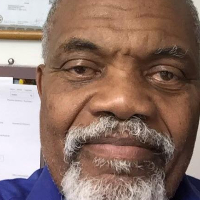







Dr. William Keating
IL Psychologist 071.001764Illinois
- 35 yrs exp
Stress, Anxiety · Relationship · Self esteem · +7
View Profile




Heather Friend
LCSW, CSWColorado
- 8 yrs exp
Stress, Anxiety · Relationship · Trauma and abuse · +17
View Profile







Understanding chronic pain and how it affects you
Chronic pain is pain that continues beyond the expected period of healing and often lasts months or years. It can arise from an identifiable injury or illness, or it can persist without a clear ongoing medical cause. The experience of chronic pain includes physical sensations, but it also touches mood, sleep, social life, work, and your sense of self. When pain is persistent, it can become part of daily routines and reshape how you move, think, and plan for the future. Many people living with chronic pain describe cycles of good days and bad days, where unpredictability itself adds stress and frustration.
Your emotional reactions to chronic pain - such as worry, sadness, anger, or isolation - are a normal response to an ongoing stressor. Those reactions can, in turn, influence how you perceive and manage pain. For example, disrupted sleep, reduced activity, and withdrawal from valued activities can lower resilience and make pain harder to live with. Understanding chronic pain as a condition that affects both body and mind can help you approach care in a more integrated way. Therapists listed on this Illinois directory work online with people who want strategies to improve daily functioning, manage symptoms, and reclaim aspects of life impacted by persistent pain.
Signs you might benefit from therapy for chronic pain
If your pain is affecting your quality of life beyond physical symptoms, therapy can be a useful option to consider. You might notice that mood changes are becoming more frequent or intense, that you are avoiding activities you once enjoyed, or that relationships and work are suffering because of pain-related limitations. You may find it harder to manage stress, have trouble sleeping, or feel stuck in patterns of thinking that magnify distress. Therapy can help if you feel overwhelmed by the emotional toll of ongoing pain, if coping strategies are not helping, or if you want to learn practical skills to improve daily functioning.
People come to therapy for different reasons. Some are looking for ways to reduce the interference that pain causes in everyday life. Others want help addressing the anxiety or depression that often accompanies persistent pain. You might also seek support to navigate complex healthcare systems, communicate effectively with medical providers, or plan gradual increases in activity. Because this directory lists therapists who hold active Illinois licenses, you can focus on comparing their stated approaches, specialties, credentials, and languages to determine who might match the needs you describe.
What to expect in therapy focused on chronic pain
Initial conversations and goals
Your early sessions will often focus on creating a clear picture of your pain history, daily patterns, and the goals you want to pursue. A therapist will likely ask about how pain affects your mood, sleep, work, and relationships, and about any past treatments you have tried. Together you and the therapist can set practical, measurable goals that reflect what matters most to you - whether that is improved sleep, greater activity tolerance, reduced anxiety about flare-ups, or better coping with emotional ups and downs.
Skill-building and personalized planning
Therapy for chronic pain typically emphasizes teaching skills you can use between sessions. That may include learning relaxation techniques, pacing strategies to gradually increase activity, cognitive strategies to change unhelpful thought patterns, and behavioral techniques to re-engage in meaningful activities. The pace and focus are adapted to your circumstances; some people prefer structured approaches with homework-style practice, while others benefit from more exploratory talk therapy that helps make sense of the emotional impacts of chronic pain. Sessions are collaborative - you and your therapist will work together to test strategies, notice what helps, and adjust plans as you go.
Common therapeutic approaches you will see listed
Therapists in this directory describe a range of approaches that they use with people managing chronic pain. You may find therapists who list cognitive behavioral therapy - often focused on linking thoughts, feelings, and behaviors - and those who mention acceptance and commitment approaches that emphasize values-guided action and willingness to experience discomfort while pursuing meaningful goals. Some therapists include mindfulness-based techniques to help you notice bodily sensations and emotional reactions without immediately responding to them, which can reduce reactivity and improve regulation.
Other approaches you might see listed include pain psychology-informed methods that integrate education about pain mechanisms with practical coping strategies, and trauma-informed approaches that recognize how past experiences can shape current symptoms and responses. You will also encounter therapists who list approaches such as EMDR among their approaches or who describe work with behavioral activation to increase engagement in valued activities. Keep in mind that listing an approach indicates it is part of a therapist’s stated practice, and you can use the profile details to identify those whose described methods align with what you want to try.
How online therapy works for chronic pain
Online therapy offers flexibility in how and where you participate in sessions. Since all therapists listed here hold active Illinois licenses, online sessions are structured so you can connect from your own home or another comfortable environment while meeting Illinois licensure requirements. You will typically meet with a therapist via video or phone, and sessions follow a regular schedule that you and the clinician agree on. Many people find online sessions reduce travel burden, make it easier to fit therapy into a routine, and allow involvement of family members or other supports when helpful.
During online sessions the same core components of pain-focused therapy apply - assessment, goal setting, skills training, and review of progress. Therapists can provide guided practices, worksheets, and exercises for you to use between sessions. If you use assistive devices or have mobility limitations, online therapy can remove a barrier to access. It is helpful to prepare a quiet space and plan for privacy during sessions, to keep materials handy, and to let your therapist know about any technology needs. Because sessions are remote, you also have the opportunity to practice techniques in the real-life settings where pain affects you, then discuss results with your therapist in the next session.
Tips for choosing the right therapist for chronic pain
When choosing from Illinois-licensed therapists who offer online sessions, think about what matters most to you in therapy. Consider whether you prefer a therapist who emphasizes skill-based approaches, someone who focuses more on emotional processing, or a clinician who integrates education about pain mechanisms into treatment. Look at the languages listed on profiles, the clinical credentials offered, and the populations the therapist notes working with, such as adults, older adults, or people with co-occurring health conditions. These details can help you narrow options to therapists whose stated focus and style align with your priorities.
Also reflect on practical matters that affect how well therapy will fit into your life. Consider the format of sessions - whether you prefer video or phone - and whether a therapist mentions offering brief skills sessions versus longer exploratory therapy. You may want to read profile summaries to get a sense of a therapist’s therapeutic voice and approach. If a profile mentions specific approaches you are curious about, you can prioritize those therapists in your review. Because all clinicians here hold active Illinois licenses, you can be confident they meet the state’s licensing requirements for practicing with Illinois clients online. Taking time to identify a therapist whose described approach and areas of focus match your needs increases the likelihood that you will find sessions that feel relevant and useful.
Finding the right fit is a process, and it is reasonable to try a few conversations to see who you connect with. As you explore profiles and read about approaches, focus on how a therapist describes working with people who live with persistent pain and whether that resonates with the changes you want to make. With a clear sense of your goals and some information about each clinician’s focus, you can choose a path that supports better daily functioning, improved coping, and a more manageable relationship with chronic pain while receiving care through online sessions licensed for Illinois clients.