Therapists for Solution-Focused Therapy in Illinois
Solution-Focused Therapy emphasizes practical goal-setting and small, actionable steps that build on your strengths rather than focusing on problems. Below you can browse Illinois-licensed therapists who list Solution-Focused Therapy among their approaches and explore profiles and specialties.




Brittany Vaughn
LCSWIllinois
- 12 yrs exp
Stress, Anxiety · Trauma and abuse · Parenting · +13
View Profile

Dr. James English
IL Psychologist 071.005714Illinois
- 30 yrs exp
Relationship · Grief · Depression · +13
View Profile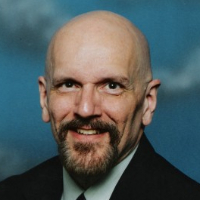





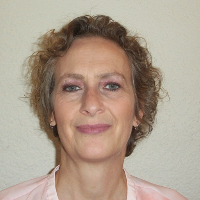
Suzanna Bagley
LPC, LCPCIllinois
- 12 yrs exp
Stress, Anxiety · Relationship · Trauma and abuse · +15
View Profile










What Solution-Focused Therapy is and the principles behind it
Solution-Focused Therapy is a brief, goal-oriented approach that emphasizes what you want to achieve rather than dwelling on the origins of your difficulties. Rooted in a pragmatic outlook, it asks you to identify concrete differences you would notice if things were moving in the direction you hoped for. The practice centers on your resources, skills, and exceptions - moments when the problem is less intense or absent - and uses those moments as a foundation for change. Therapists who list Solution-Focused Therapy among their approaches typically focus conversations around your goals, the small steps that lead toward those goals, and reinforcing behaviors that support progress.
Core ideas that guide the work
The approach rests on several simple ideas. You are the expert on your life, so your perspective shapes the goals. Change can be made through incremental steps rather than complete overhauls. What is working, even a little, matters and can be expanded. Sessions concentrate on present and future possibilities rather than a detailed reconstruction of past causes. Because of this orientation, Solution-Focused Therapy often moves more quickly than some other models and is designed to help you generate practical strategies that fit your everyday reality.
What types of issues Solution-Focused Therapy is commonly used for
Solution-Focused Therapy is versatile and is commonly used for a range of concerns where clear goals and tangible progress are priorities. You might pursue this approach if you are navigating relationship challenges and want focused strategies for improving communication, or if you are managing stress related to work, caregiving, or life transitions. It is often chosen by people who prefer brief, focused work that targets specific outcomes such as improved problem-solving, better daily routines, or clearer decision-making. Because the method highlights strengths and existing successes, it can also be helpful when you want to build confidence, address habitual patterns, or set achievable goals in areas like parenting, study habits, or professional development.
While it can be effective for many practical concerns, Solution-Focused Therapy is not presented as a universal remedy. You should expect the work to concentrate on actionable change and to move at a pace determined by your selected goals. If your concerns involve complex clinical needs, you may find that a blended approach or additional supports are helpful alongside a solution-focused process.
What a typical Solution-Focused Therapy session looks like
When you enter a session, the conversation commonly begins with identifying a specific, achievable goal. Your therapist may ask questions designed to clarify what you want to see change, how you will know you are moving in the right direction, and what small difference would signal progress. Instead of long explorations of the problem’s history, you and the therapist look for times when the issue is less severe and explore what was different in those moments. This helps you locate practical steps you can try between sessions.
Sessions tend to be collaborative and future-focused. Your therapist will use targeted questions and feedback to help you discover your own solutions, and you may leave with specific experiments or small tasks to implement. Progress is tracked by checking whether the small steps made a difference and adjusting plans accordingly. Because sessions are online for the therapists listed on this page, you can expect conversations that adapt these techniques to your daily context, with an emphasis on actions you can take in the spaces where you live and work.
How Solution-Focused Therapy differs from other common approaches
Solution-Focused Therapy differs from many traditional therapies in its emphasis on present and future goals rather than on detailed analysis of the past. Whereas some approaches devote substantial time to understanding the roots of longstanding patterns, Solution-Focused Therapy places more weight on identifying exceptions and leveraging what already works. The approach is generally shorter in duration and more directive in setting and evaluating concrete goals, though it remains collaborative and respectful of your autonomy.
Comparing styles and expectations
If you prefer a structured, goal-oriented process with clear checkpoints, Solution-Focused Therapy may align with your preferences. Other approaches may offer deeper exploration of emotions or long-term patterns, and some people find value in combining solution-focused techniques with other modalities. When reading profiles, pay attention to how therapists describe their focus areas, the type of questions they emphasize, and the kinds of outcomes they help clients pursue. Remember that the directory lists therapists who indicate Solution-Focused Therapy among their approaches, which shows interest in the method but does not itself guarantee a specific credential or a standardized way of working.
Who is a good candidate for Solution-Focused Therapy and how to find the right therapist
Solution-Focused Therapy tends to suit people who want efficient, action-oriented work and have specific, measurable goals. You may be a good candidate if you want help setting priorities, developing small experiments to try between sessions, or improving daily functioning in areas such as relationships, work habits, or stress management. The approach can fit a variety of ages and backgrounds because it builds on your existing strengths and adapts to your circumstances.
When searching for a therapist who lists Solution-Focused Therapy among their approaches, consider several factors beyond the approach label. Look at professional credentials and the license information shown on each profile, since every therapist listed here holds an active Illinois license that permits them to provide online services to Illinois clients. Review stated areas of focus to see whether your concern - for example, relationship work, anxiety management, or life transitions - appears in a therapist’s profile. Pay attention to experience, languages offered, and any notes about the populations they work with. These details help you judge whether a therapist’s way of working and background match your needs.
Finally, think about practical preferences that influence the fit. Consider the communication style reflected in profile descriptions and whether you prefer a therapist who emphasizes structured goals and homework-like experiments or one who blends solution-focused questions with a different pace. Because the directory captures stated approaches rather than formal training records, you may find it useful to look for profiles that describe how the therapist applies solution-focused techniques in practice. This will give you a clearer sense of how sessions might feel and whether their stated focus aligns with what you want to accomplish.
Across all steps, remember that choosing a therapist is a personal process. The profiles below are a starting point to help you find Illinois-licensed professionals who list Solution-Focused Therapy among their approaches, so you can compare background, specialties, and language options as you decide which direction feels most helpful for your goals.