Therapists for Social Anxiety and Phobia in Illinois
Find Illinois-licensed therapists who offer online treatment for social anxiety and phobia. Browse the profiles below to compare approaches, languages, credentials, and focus areas to find a clinician who fits your needs.


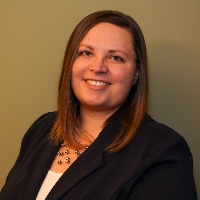
Brittany Vaughn
LCSWIllinois
- 12 yrs exp
Stress, Anxiety · Trauma and abuse · Parenting · +13
View Profile

Dr. James English
IL Psychologist 071.005714Illinois
- 30 yrs exp
Relationship · Grief · Depression · +13
View Profile
















Dr. William Keating
IL Psychologist 071.001764Illinois
- 35 yrs exp
Stress, Anxiety · Relationship · Self esteem · +7
View ProfileUnderstanding social anxiety and phobia
Social anxiety and phobia go beyond ordinary nervousness in social situations. You might feel intense worry about being judged, embarrassed, or scrutinized when you speak, meet new people, or perform in front of others. These worries can show up long before an event as anticipatory anxiety or in physical reactions like racing heart, shaking, nausea, or a strong urge to escape. Over time, you may develop patterns of avoidance - turning down invitations, skipping opportunities to speak up at work, or limiting daily activities to reduce the chance of uncomfortable interactions.
For many people in Illinois, the experience of social anxiety can be unpredictable. A familiar situation may pass without issue while a surprising request to speak up triggers overwhelming fear. That variability can make it hard to plan, maintain relationships, or pursue goals. Social phobia is often rooted in learned beliefs about how others will react, and it commonly coexists with other concerns such as general anxiety, mood shifts, or health-related worries. Understanding the typical contours of social anxiety is the first step to finding approaches that fit your needs and lifestyle.
How social anxiety differs from shyness
Shyness and social anxiety share elements, but they are not the same. Shyness tends to describe a temperament - a tendency to be reserved or slow to warm up - that does not necessarily interfere with everyday functioning. Social anxiety and phobia involve a higher degree of distress and persistent avoidance that affects work, school, or relationships. If you find that fear or avoidance limits your choices or causes frequent distress, therapy can help you learn practical strategies to expand the range of activities you feel comfortable doing.
Signs you might benefit from therapy for social anxiety
Deciding whether therapy might help you starts with observing how anxiety shapes your life. You might consider reaching out if worry about judgment or humiliation prevents you from applying for jobs, speaking up in meetings, attending social events, or forming new relationships. If you regularly spend a lot of time preparing for social interactions, rehearsing conversations, or analyzing what you said afterward, those are signals that anxiety is taking up valuable energy. Physical symptoms that escalate in social situations, such as tremors, shortness of breath, or intense blushing, can also be distressing and interfere with functioning.
Another indicator is the use of avoidance strategies that provide short-term relief but limit long-term opportunities. For example, turning down public-facing assignments or relying on alcohol to ease social situations may reduce immediate discomfort while reinforcing anxious patterns. If you notice that anxiety affects your career decisions, social life, or daily routines, therapy can offer structured support to address those patterns. You do not have to wait until symptoms are severe; many people find it useful to seek help when anxiety is consistently steering choices or reducing quality of life.
When to look for targeted support
Targeted therapy for social anxiety is helpful when symptoms are persistent, prevent you from doing things that matter, or cause you repeated distress. You may also seek therapy if you have tried self-help strategies without lasting improvement, or if anxiety has begun to affect relationships, school performance, or job prospects. Working with a therapist licensed in Illinois gives you access to clinicians who can offer online sessions that fit your schedule and address social anxiety directly.
What to expect in therapy sessions for social anxiety and phobia
When you begin therapy for social anxiety, expect an initial conversation about your history, the situations that trigger anxiety, and your goals for change. A therapist will typically ask about patterns of thinking and behavior that maintain anxiety, as well as any prior strategies you have used. Together you and the therapist will create a treatment plan that focuses on realistic, measurable goals - for example, attending an event, speaking up in a meeting, or reducing avoidance in daily life.
Sessions often blend discussion with practical exercises. You may work on identifying and testing anxious thoughts, practicing new social skills in-session through role-play, and gradually approaching feared situations in a controlled way. Homework is a normal part of the process; between-session practice helps you build confidence and track progress. The pace of therapy is collaborative - you set the goals and proceed at a level that feels manageable while gently expanding what you can tolerate.
Structure, length, and online delivery
Therapy for social anxiety varies in length depending on your goals and starting point. Some people find meaningful relief in a focused short-term course of sessions, while others choose longer-term work to address deeper patterns. With online sessions offered by Illinois-licensed clinicians, the structure remains the same as in-person work: scheduled video or audio appointments that include assessment, goal-setting, skills training, and homework review. Online delivery can make it easier to practice certain skills between sessions and to integrate therapy into your daily routine.
Common therapeutic approaches used for social anxiety and phobia
Several therapeutic approaches are commonly used to address social anxiety. You will find therapists who list cognitive behavioral therapy, acceptance and commitment approaches, mindfulness-based strategies, exposure-focused work, and psychodynamic perspectives among their methods. Cognitive behavioral approaches typically focus on identifying distorted or automatic thoughts that feed anxiety and on developing alternative, more balanced ways of interpreting social situations. Exposure-focused work involves gradual, planned contact with feared situations to reduce avoidance and build tolerance.
Acceptance-oriented strategies emphasize learning to relate differently to anxious thoughts and sensations so you can pursue valued actions despite discomfort. Mindfulness practices teach present-moment awareness and nonjudgmental observation of anxious reactions. Psychodynamic approaches explore how past relational patterns and internalized beliefs influence current social fear. When reviewing therapist profiles, look for how clinicians describe their approaches and whether they mention working with social anxiety specifically. Remember that a description of an approach on a profile reflects what a therapist lists among their methods rather than a formal credential or certification.
How online therapy works specifically for social anxiety and phobia
Online therapy creates opportunities for flexible, accessible treatment that fits into your life. With Illinois-licensed therapists offering sessions online, you can connect from home or another comfortable environment without needing to travel. Many people find online sessions less intimidating at first because they allow you to begin work in a familiar setting. This format also makes it easier to integrate real-world practice between sessions and to review recordings or notes when appropriate.
In an online session you can still practice role-plays, learn coping skills, and plan exposure exercises. For example, a therapist might guide you through a simulated social interaction over video or help you design steps to approach a real-world situation safely. Technology makes it straightforward to share worksheets, record brief exercises, and track progress. Be mindful of choosing a quiet, interruption-free area for sessions, and discuss with your therapist how to handle any technical issues or privacy concerns so you feel comfortable during appointments.
Licensure and teletherapy considerations
All therapists listed here hold an active Illinois license, which allows them to offer online services to people who are located in Illinois. Licensure indicates that a clinician meets state requirements for practice, and it is reasonable to review credentials such as licensed clinical social worker, licensed professional counselor, or licensed psychologist when comparing profiles. If you rely on insurance or a flexible spending plan, you may wish to check credentials and billing practices described in profiles to understand how sessions are handled.
Tips for choosing the right therapist for social anxiety and phobia
Choosing a therapist is a personal decision that depends on the fit between your needs and a clinician's approach. Start by reading profiles to compare focus areas, therapeutic approaches, credentials, languages spoken, and any notes about working with anxiety or phobia. Look for descriptions that resonate with how you want to work - whether you prefer a skills-based, structured approach, a reflective exploratory style, or a blend. Pay attention to how therapists describe session format and what they emphasize when working with social anxiety.
Consider practical factors that matter to you. Think about communication style, whether you want a therapist who uses homework and behavioral experiments, and whether you prefer a clinician who mentions experience with related issues such as performance anxiety or social skills development. It can be helpful to start with a few profiles that feel like a match and then use an initial conversation to assess rapport and approach. Trust your sense of comfort and clarity about goals when deciding who to work with.
Next steps
Exploring profiles of Illinois-licensed therapists who offer online sessions is a useful next step if social anxiety is limiting your choices or causing persistent distress. Use the listings below to compare clinicians by approach, language, and credentials, and look for descriptions that match the kind of support you want. When you find profiles that appeal to you, an introductory conversation can help you learn more about how a therapist structures work for social anxiety and whether their style fits your goals. Taking that first step can open a path to practical tools and steady progress in situations that once felt overwhelming.