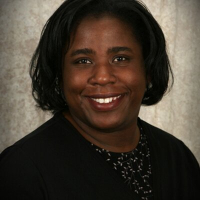
About Ericka
Ericka Bassey practices from a client-centered framework that emphasizes compassionate partnership and practical strategies.
Background and approach
With 15 years of clinical experience, she blends evidence-based methods like cognitive behavioral techniques and mindfulness with an individualized focus to help people navigate stress, anxiety, mood concerns, grief, addictions, trauma, and relationship and family challenges. Ericka approaches each person as the expert on their own life and tailors interventions to meet the needs identified in session.
Her work reflects a mix of hospital, clinic, and community mental health experience, and she prioritizes kindness, respect, and collaboration while helping clients work through issues such as anger, self-esteem struggles, parenting and career transitions, bipolar and mood disorders, panic and post-traumatic stress. Additional areas of attention include caregiver stress, multicultural concerns, codependency, and life purpose.
Ericka holds LCSW and LICSW credentials and brings a practical, adaptable style that supports clients in discovering strategies for healing, coping, and forward movement.
Bringing evidence-based approaches to online therapy
Ericka integrates client-centered care with cognitive behavioral strategies to create practical, goal-oriented work in online sessions. Client-centered therapy emphasizes meeting each person where they are and shaping the work around their priorities, while cognitive behavioral therapy focuses on identifying unhelpful thoughts and behaviors and developing concrete skills to manage symptoms like anxiety, depression, and panic.She also draws on dialectical behavior therapy when emotion regulation, distress tolerance, and interpersonal effectiveness are priorities, offering skills-based tools that can reduce reactive patterns and support steadier coping. These approaches are explained in plain language and adapted to the online format so clients can apply techniques between sessions.
Finding the right approach is a collaborative process. The therapist will work with clients to clarify goals, try strategies, and adjust methods based on what feels most effective for the individual's needs and preferences. This shared decision-making helps tailor interventions whether the focus is short-term problem solving or longer-term growth.
Online therapy offers flexibility through video calls, phone sessions, live chat, or text-based messaging, making it easier to fit sessions into busy schedules and maintain continuity of care across locations. Licensed professionals can use these formats to teach skills, review progress, and support clients through transitions and life challenges.
Frequently asked questions
What concerns does this therapist commonly address?
What therapeutic styles does she use in sessions?
How much clinical background does the therapist have?
Where is the therapist licensed to practice?
Are services available in other languages or to international clients?
What session formats are offered?
How is cost handled for sessions?
What are the steps to begin working together?
Specialties and expertise
Top specialties
- Stress, Anxiety
- Grief
- Anger management
Also works with
- Abandonment
- Addictions
- Aging and geriatric issues
- Bipolar disorder
- Career difficulties
- Caregiver issues and stress
- Codependency
- Communication problems
- Compassion fatigue
- Coping with life changes
- Depression
- Dissociation
- Divorce and separation
- Family conflicts
- Family of origin issues
- Forgiveness
- HIV / AIDS
- Life purpose
- Mood disorders
- Multicultural concerns
- Panic disorder and panic attacks
- Parenting issues
- Post-traumatic stress
- Pregnancy and childbirth
- Prejudice and discrimination
- Self esteem
- Self-harm
- Trauma and abuse
- Women's issues
- Workplace issues
Therapeutic approaches
- Experience
- 15 years
- Licensed
- Minnesota, Illinois
- Languages
- English