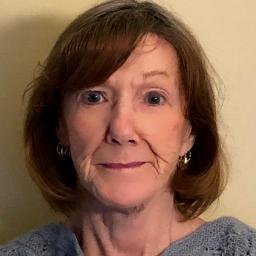
About Dale
Dale Barrett practices with a client-centered framework that draws on evidence-based methods to help people regain direction and purpose. With 30 years of clinical experience, she blends cognitive behavioral techniques, dialectical strategies, and mindfulness-based tools to address stress, anxiety, mood disorders, trauma, grief, addictions, and self-esteem concerns.
Background and approach
Dale emphasizes discovering how and why life feels out of control as a first step, then collaborates with clients to define goals and build practical plans for change.
She holds counseling credentials in multiple states, including LPC and LCPC, and brings a long history of supporting people through complex issues such as bipolar disorder, obsessive-compulsive patterns, personality disorders, post-traumatic stress, traumatic brain injury, and challenges related to aging or midlife transitions.
Her approach is adaptable: therapy is tailored to each person’s needs and preferences, using acceptance and commitment strategies, attachment-informed perspectives, and skills-based interventions when appropriate. Dale offers an empathetic, nonjudgmental stance and works alongside clients to develop the insight and skills needed to move forward.
Applying Evidence-Based Approaches to Online Care
Acceptance and Commitment Therapy (ACT) helps clients clarify personal values and take committed action toward a meaningful life while learning to relate differently to difficult thoughts and feelings. Cognitive Behavioral Therapy (CBT) focuses on identifying and shifting unhelpful thinking and behavior patterns to reduce symptoms of anxiety, depression, and mood disorders. Dialectical Behavior Therapy (DBT) teaches practical skills for emotional regulation, distress tolerance, and interpersonal effectiveness, which can be useful for intense emotions and impulse-related concerns.Finding the right approach is part of the therapeutic process, and the therapist will collaborate with each client to determine which methods fit their needs, goals, and preferences. This collaborative stance means approaches can be blended or adapted over time as progress and circumstances evolve.
Online sessions are offered via video calls, phone sessions, live chat, or text-based messaging to provide flexibility around schedules and location. These formats make it easier to access licensed professionals from different places and to choose the communication style that best supports engagement and continuity of care.
Frequently asked questions
What concerns does Dale commonly address?
What therapeutic style does she use in sessions?
How long has Dale practiced clinically?
Where is Dale licensed to practice and where is she based?
Can nonlocal clients work with this therapist?
What session formats are available?
How are fees and subscriptions handled?
What steps are required to begin working together?
Specialties and expertise
Top specialties
Also works with
- Addictions
- Aging and geriatric issues
- Anger management
- Attachment issues
- Bipolar disorder
- Career difficulties
- Control issues
- Coping with life changes
- Depression
- Divorce and separation
- Emptiness
- Family conflicts
- Forgiveness
- Jealousy
- Midlife crisis
- Mood disorders
- Obsessions, compulsions, and OCD
- Personality disorders
- Post-traumatic stress
- Relationship issues
- Self esteem
- Self-harm
- Traumatic brain injury
Therapeutic approaches
- Experience
- 30 years
- Licensed
- Illinois, Wisconsin, Texas, Maine, Utah
- Languages
- English