Therapists for Relationship in Illinois
Browse profiles of relationship therapists who hold an active Illinois licence and provide online sessions for Illinois clients. Explore specialties, therapeutic approaches, and language options below to find clinicians whose experience feels like a fit.


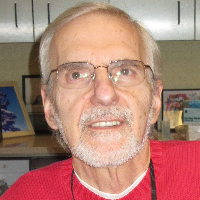


Dr. Shelia Williamson Collins
LPC, LCPCNorth Carolina
- 18 yrs exp
Stress, Anxiety · Addictions · Trauma and abuse · +14
View Profile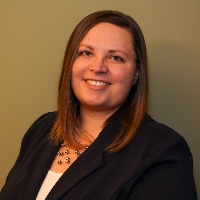
Brittany Vaughn
LCSWIllinois
- 12 yrs exp
Stress, Anxiety · Trauma and abuse · Parenting · +13
View Profile

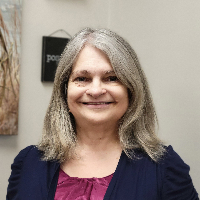
Dr. James English
IL Psychologist 071.005714Illinois
- 30 yrs exp
Relationship · Grief · Depression · +13
View Profile


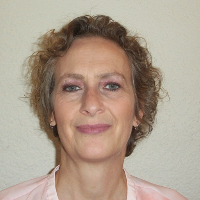
Suzanna Bagley
LPC, LCPCIllinois
- 12 yrs exp
Stress, Anxiety · Relationship · Trauma and abuse · +15
View Profile





Understanding relationship concerns and how they affect you
Relationships shape much of what you feel and how you navigate the world. When relationships are strained - whether with a partner, family member, or within yourself when relating to others - the impact shows up across daily life. You may notice increased stress, trouble sleeping, lowered motivation, or difficulty concentrating. Emotional distance, repeated arguments about the same topic, or a sense that you and the other person are growing apart can make it harder to plan for the future or to feel supported in day-to-day life. Relationship difficulties also interact with other challenges like anxiety and depression, amplifying feelings and making it harder to address either issue in isolation.
In the Illinois online therapy listings here, you will find clinicians who focus on relationship concerns and who describe a range of approaches. Those descriptions reflect what each therapist lists on their profile and can help you understand which styles and perspectives might fit your needs. Because relationships are complex and personal, the goal in seeking support is often to create better communication, repair ruptures, or build new patterns of connection that feel sustainable for both people involved.
Signs you might benefit from relationship-focused therapy
It can be difficult to know when to reach out for professional help. You might consider therapy if you and a partner find yourselves stuck in the same cycle of conflict that leaves you feeling blamed, defensive, or unheard. If conversations consistently end in withdrawal, stonewalling, or escalation rather than resolution, therapy can provide a place to practice different ways of interacting. You may also seek support when trust has been damaged by infidelity, dishonesty, or repeated boundary violations and you want a guided process for rebuilding or clarifying the relationship.
Other signs include persistent feelings of loneliness within a relationship, difficulty negotiating practical matters like finances or parenting, or mismatched expectations about intimacy and life goals. Individuals who feel anxious about entering or maintaining relationships, or who notice patterns that repeat across partners, often find it helpful to explore those patterns with a therapist. Therapy can also help you clarify whether you want to repair, redefine, or end a relationship, and it can assist in navigating transitions with care and honesty.
What to expect in relationship therapy sessions
Early sessions - assessment and goals
When you begin work with an online relationship therapist licensed in Illinois, the early sessions typically focus on understanding the history and pattern of the relationship concern. You and your therapist will discuss what brings you to therapy, key events or recurring dynamics, and what each person hopes to change. The therapist may ask about your communication habits, emotional responses, and how conflict typically unfolds. This assessment helps in shaping goals that are concrete and personally meaningful - whether that means improving day-to-day communication, increasing emotional closeness, or managing conflict more constructively.
Ongoing work - skills, exploration, and repair
In ongoing sessions you can expect a mix of exploratory and practical work. Some sessions may focus on learning and practicing communication skills such as reflective listening, making repair attempts after a rupture, or identifying triggers that lead to reactivity. Other sessions might explore underlying patterns shaped by your life history and attachment experiences to deepen understanding of why certain responses arise. A therapist may invite both partners to participate, or they may work with you individually to build insight and strategies you can bring into the relationship. Progress often comes through repeated practice and small changes rather than one-time fixes.
Common therapeutic approaches used for relationship work
Therapists adopt a variety of theoretical approaches to relationship concerns, and on this Illinois directory you will see clinicians who list different approaches among their offerings. For example, some therapists list Emotionally Focused Therapy among their approaches, which centers on understanding emotional responses and creating new patterns of engagement. Others list approaches such as cognitive-behavioral techniques that emphasize changing unhelpful thoughts and behaviors that fuel conflict. You may also encounter therapists who list narrative or attachment-focused methods to explore how personal stories and early relationships influence current dynamics.
When you read profiles, remember that listing an approach indicates what a therapist uses in their practice, not formal certification status. Different approaches suit different people and different issues. Some approaches emphasize structured skill-building for communication, while others prioritize emotional exploration or the repair of trust. You can look for descriptions that resonate with how you prefer to work - whether you want practical tools to manage conflict, deeper emotional exploration, or a balance of both.
How online relationship therapy works for Illinois clients
Online therapy lets you meet with a therapist by video or phone, which can make it easier to fit sessions into your schedule and to include partners who live separately. Because every clinician listed here holds an active Illinois licence, they are able to provide services to clients in Illinois under state licensing rules. Sessions follow a similar rhythm to in-person work - you and your therapist agree on session length and frequency, set goals, and work through exercises or conversations designed to shift interaction patterns. You should expect to create an environment where you can speak openly, set boundaries about when and how you participate, and decide whether sessions involve both partners together or individual appointments.
Online formats also affect practical choices. You will need a stable internet connection and a space where you can speak without interruption. Therapists often share guidance about how to prepare for sessions, including setting aside devices, minimizing distractions, and agreeing on what to do if a session needs to be paused. Communication outside of sessions varies by clinician, so look for profile details that describe communication preferences, types of contact between sessions, and session logistics. Remember that technology allows for consistent engagement across distance while keeping the focus squarely on your relationship work.
Choosing the right Illinois-licensed relationship therapist for you
Selecting the therapist who feels right is a personal process. Start by identifying what matters most - whether that is a particular therapeutic approach, experience with certain relationship issues, language needs, or a clinician whose style feels warm and direct. Read profiles to compare focus areas and note when a therapist lists approaches or specialties that align with your goals. For example, you might look for clinicians who list trauma-informed care if past hurt shapes current interactions, or who list work with couples navigating separation if you are thinking about next steps.
Consider practical fit as well. Look for information about session format, whether the therapist conducts couples sessions online, and any notes about working with diverse relationship types. Pay attention to credentials listed on profiles and to any languages the clinician offers for therapy conversations. You may want to try a few different profiles to get a sense of tone and approach before deciding whom to reach out to. When you contact a clinician, you can ask about their typical process for relationship work and how they structure sessions, which will help you decide if their style matches what you need.
Working with a therapist is often a gradual process of finding what helps you and your partner connect differently. By focusing on communication, understanding patterns, and practicing change in a guided way, many people find that therapy supports clearer decision-making and more satisfying ways of relating. Use the Illinois-licensed profiles here to explore options, learn about different approaches, and identify clinicians whose descriptions align with your goals for relationship growth and repair.