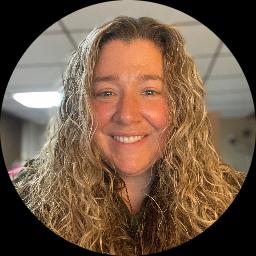
About Elizabeth
Elizabeth Smith is a licensed clinical social worker who draws on 12 years of practice to help people navigate stress, anxiety, trauma and abuse, parenting concerns, low self-esteem, and depression.
Background and approach
She emphasizes clients' strengths and works from the view that each person knows their story best, offering guidance and support as they pursue meaningful change. Her training as an LCSW informs a practical, compassionate style aimed at building resilience and clearer pathways forward.
Smith integrates attachment-based ideas with solution-focused and trauma-informed methods to address issues such as communication breakdowns, attachment difficulties, forgiveness, life purpose, sexuality, pregnancy and childbirth concerns, women's issues, and workplace stress. She meets clients where they are and partners with them to set achievable goals, honor personal values, and develop skills that fit daily life.
Licensed in Illinois, she accepts international clients and offers multiple session formats to increase access for people with varied schedules and needs.
Integrating Attachment and Trauma Work in Online Therapy
Attachment-Based Therapy focuses on how early and current relationships shape emotional responses and provides ways to build safer, more stable connections; this approach can help with attachment issues, communication difficulties, and relational patterns. Trauma-Focused Therapy addresses the effects of traumatic events through targeted techniques that reduce distress and improve coping for people impacted by abuse and other traumatic experiences. Mindfulness Therapy teaches present-moment awareness and simple practices to reduce rumination and emotional reactivity, which can be helpful for stress, anxiety, and depression.Choosing the right approach is part of the therapeutic journey, and the therapist partners with clients to determine which methods fit their needs, goals, and personal preferences. Sessions begin with a collaborative assessment and can adapt over time so the plan remains practical and aligned with what a person hopes to accomplish.
Online therapy with this clinician uses video calls, phone sessions, live chat, or text-based messaging to provide flexibility for people with busy schedules or geographic constraints. These options make it easier to maintain continuity of care, practice skills between sessions, and receive support in ways that suit everyday life.
Frequently asked questions
What concerns does Elizabeth commonly address?
What therapeutic approaches are used in sessions?
How much clinical experience does she have?
What are her credentials and where is she licensed?
Can sessions be scheduled from outside the United States?
In what formats are sessions offered?
How are fees and payment handled?
What should someone do to begin working with her?
Specialties and expertise
Top specialties
- Stress, Anxiety
- Trauma and abuse
- Parenting issues
Also works with
Therapeutic approaches
- Experience
- 12 years
- Licensed
- Illinois
- Languages
- English