Therapists for Sleeping Disorders in Illinois
This page lists therapists who focus on sleeping disorders and hold active Illinois licences to work with Illinois clients. Browse the online therapist profiles below to compare focus areas, approaches, credentials, and languages.
Use the listings to explore professionals who work with sleep-related concerns and start narrowing down options that might match your needs.




Dr. James English
IL Psychologist 071.005714Illinois
- 30 yrs exp
Relationship · Grief · Depression · +13
View Profile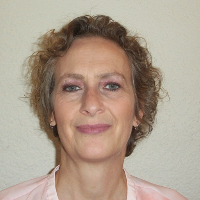
Suzanna Bagley
LPC, LCPCIllinois
- 12 yrs exp
Stress, Anxiety · Relationship · Trauma and abuse · +15
View Profile







Heather Friend
LCSW, CSWColorado
- 8 yrs exp
Stress, Anxiety · Relationship · Trauma and abuse · +17
View Profile






Ana Sikula
LCSWIllinois
- 10 yrs exp
- 2 languages
Stress, Anxiety · Relationship · Family · +14
View Profile



Understanding sleeping disorders and how they affect daily life
Sleeping disorders cover a range of difficulties related to falling asleep, staying asleep, waking too early, or experiencing nonrestorative sleep. Problems can include insomnia, circadian rhythm disruptions, restless sleep, parasomnias, and conditions where sleep is fragmented or does not feel refreshing. Sleep issues can arise on their own or in connection with mood, anxiety, stress, or medical concerns. Over time disrupted sleep can influence concentration, emotional regulation, energy levels, and your ability to manage everyday tasks. When sleep is poor night after night you may find that mood swings, memory lapses, or decreased work performance become more noticeable.
For many people, sleep difficulties are cyclical - a stressful period or a change in routine can trigger a pattern that becomes hard to break. Addressing sleep problems often requires attention to behaviors, routines, thoughts about sleep, and physical factors that interfere with rest. Online therapy aimed at sleep concerns typically takes a holistic view that includes lifestyle, mental health, and practical strategies you can use between sessions. Because this directory covers Illinois, every therapist listed here holds an active Illinois licence, which allows them to work with Illinois clients via online sessions.
Signs you might benefit from therapy for sleeping disorders
You might consider seeking help when sleep problems are persistent rather than occasional and when they begin to interfere with your daytime functioning. If you consistently have difficulty initiating sleep, wake repeatedly during the night, or feel unrefreshed after a full night, therapy can offer tools to address underlying patterns. You may notice increased irritability, a drop in motivation, trouble concentrating, or an escalation in anxiety or low mood that tracks with poor sleep. Those symptoms are common reasons people pursue therapy focused on sleep.
Therapy is particularly useful when sleep problems are linked to rumination about sleep, fear of sleepless nights, or behaviors that unintentionally perpetuate poor sleep - for example irregular bedtimes, excessive daytime napping, or heavy use of screens late at night. You may also find therapy helpful if you have co-occurring concerns such as chronic stress, panic symptoms at night, or difficulty managing worry that disrupts sleep. In short, if sleep difficulties are frequent and affect your quality of life, working with a therapist who focuses on sleeping disorders can help you develop sustainable strategies.
What to expect in therapy sessions focused on sleeping disorders
When you begin therapy for sleep issues, the early sessions typically involve an assessment of your sleep history and daily routines. Your therapist will likely ask about your typical bedtime and wake time, naps, caffeine and substance use, sleep environment, and thoughts you have when trying to rest. You can expect an exploration of lifestyle factors and any emotional or psychological patterns that relate to sleep. The goal of this stage is to build a clear picture of what is maintaining the problem so that practical, targeted changes can be planned.
As therapy progresses, sessions tend to blend education about sleep with personalized strategies. You will work on behavioral adjustments, cognitive strategies to manage worry and unhelpful beliefs about sleep, and gradual changes to your daily routines that support better sleep. Therapists often provide homework or practice tasks to implement between sessions, because real-world practice is central to lasting improvement. Progress may be gradual - sleep patterns can shift over weeks to months - but therapy aims to equip you with tools you can use independently once core goals are met.
Common therapeutic approaches used for sleeping disorders
There are several therapeutic approaches commonly used to address sleeping disorders. Cognitive behavioral therapy for insomnia, often abbreviated as CBT-I, focuses on changing thoughts and behaviors that perpetuate sleeplessness. You might work with a therapist on restructuring beliefs about sleep, learning relaxation techniques, and making behavioral changes such as stimulus control and sleep scheduling. Some therapists incorporate behavioral strategies that adjust sleep timing to better align with your natural rhythm, while others emphasize stress management skills to reduce nighttime arousal.
Other approaches you may encounter include acceptance-based strategies that help you relate differently to intrusive thoughts about sleep, and mindfulness practices that encourage present-moment awareness to reduce reactivity. Some therapists list EMDR among their approaches and may adapt trauma-focused methods when past events contribute to nighttime distress. When reading profiles, note that therapists may list a range of approaches; that listing indicates an approach they mention among their methods rather than a verified certification. You can compare therapists by the approaches they describe, the credentials they hold, and the languages they offer to find a match for your preferences.
How online therapy works for sleeping disorders and tips for choosing a therapist
How online therapy for sleep-focused care typically works
Online therapy for sleeping disorders usually takes place through video sessions, phone sessions, or a blend of live meetings and between-session messaging depending on the therapist’s setup. In an online session you will still cover the same core components as in-person care - assessment, collaborative goal setting, skill building, and homework - but with the convenience of attending from your home or another personal space. Many people appreciate that online sessions can reduce travel time and fit more easily into a busy schedule, while still allowing in-depth conversation about routines and daytime habits that affect sleep.
Before starting, a therapist will typically explain the process for online work, how to share sleep logs or other tracking tools, and how to handle technical or practical concerns. You should expect a plan that makes room for practice between sessions, such as sleep diaries or small behavioral experiments you can try overnight. Because sessions are held remotely, it can be helpful to choose a comfortable environment for your meetings so you can speak openly and focus without interruptions.
Tips for choosing the right therapist for sleeping disorders
When selecting a therapist from an online Illinois directory, consider how each profile matches your needs. Look for descriptions that mention experience with sleep-related concerns and note which therapeutic approaches the clinician lists. Pay attention to professional credentials and any stated areas of specialization, as well as languages offered if that matters to your comfort and communication. Think about the style you prefer – whether you want a more structured, skills-based approach or a therapy that explores broader emotional factors alongside sleep-specific strategies.
It can also help to read therapist profiles for information about the kinds of client issues they commonly address and the types of strategies they emphasize. Because every therapist in this directory holds an active Illinois licence, they are authorized to provide online services to Illinois clients. Use that licensing detail along with approach and credential information to form a shortlist. Once you identify a few profiles that align with your needs, you may choose to reach out to learn more about how they work and whether their approach fits your goals. Clear communication about your priorities - whether you want to reduce nighttime awakenings, change sleep habits, or manage nighttime anxiety - will help you find a provider whose focus aligns with your expectations.
Ultimately, making a change in sleep patterns often requires time, consistent practice, and an approach that fits your lifestyle. Therapy can give you structured guidance and concrete strategies to improve sleep quality and daytime functioning. Use the listings on this page to compare therapists who hold Illinois licences and work online, and take the next step toward better-rested days.