Therapists for Compulsion in Illinois
This page lists therapists who focus on compulsion and hold active Illinois licenses, offering sessions online for residents of Illinois. Explore profiles below to compare approaches, credentials, languages, and areas of focus before contacting a provider.


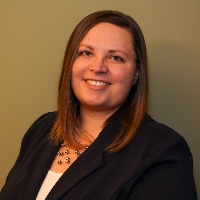
Brittany Vaughn
LCSWIllinois
- 12 yrs exp
Stress, Anxiety · Trauma and abuse · Parenting · +13
View Profile









Heather Friend
LCSW, CSWColorado
- 8 yrs exp
Stress, Anxiety · Relationship · Trauma and abuse · +17
View Profile





Scott Herman
LCSWIllinois
- 3 yrs exp
- 2 languages
Stress, Anxiety · Relationship · Family · +9
View Profile
Deborah Taylor
LCSWIllinois
- 47 yrs exp
Stress, Anxiety · Relationship · Trauma and abuse · +9
View Profile



Understanding Compulsion and Its Impact
Compulsion refers to repetitive behaviors or mental acts that a person feels driven to perform, often in response to an urge or to reduce distress. These behaviors can range from checking and counting to repetitive grooming, ordering, or mental rituals. While occasional rituals or habits are common, compulsive patterns become a problem when they take up substantial time, generate significant distress, or interfere with your relationships, work, or daily functioning. Many people who experience compulsive behaviors report a sense of loss of control around particular actions and may notice that rituals are used to manage anxiety, uncertainty, or intrusive thoughts.
Compulsive behaviors can be experienced across all ages and backgrounds. You might notice tension before performing a ritual and temporary relief afterward, but the relief is often short-lived and may strengthen the pattern over time. Because compulsions often revolve around attempts to prevent a feared outcome or reduce uncomfortable feelings, they can distort priorities and reduce your ability to engage in activities you care about. Recognizing the pattern is often the first step toward change, and talking with a clinician who understands compulsive behavior can help you identify how those patterns operate in your life.
Signs You Might Benefit from Therapy for Compulsion
You may benefit from working with a therapist if compulsive behaviors are taking up a lot of your time, causing shame or isolation, or getting in the way of responsibilities. Common signs include repetitive actions you feel compelled to perform despite wanting to stop, rituals that you believe will prevent harm or bad outcomes, avoidance of certain people or places because of urges, and difficulty completing tasks because rituals interrupt your day. You might find yourself preoccupied with perfectionistic routines, excessive checking, or persistent mental rituals that sap your energy and attention.
Emotional consequences can also signal the need for support. If compulsive behavior leads to persistent anxiety, depression, strained relationships, or difficulties at school or work, therapy can offer structured strategies and emotional support. It is also common to feel ambivalent - you may want to change but fear the discomfort that comes with altering rituals. A therapeutic relationship can provide a setting to safely examine what you are trying to avoid or control through compulsive acts and to develop alternatives that align with your values.
What to Expect in Compulsion-Focused Therapy Sessions
When you begin therapy for compulsion, clinicians typically start with an assessment to understand the nature, frequency, and triggers of your behaviors. Expect conversations about your daily routines, what precedes compulsive actions, and how these behaviors affect your life. You and your therapist will collaboratively set goals that reflect measurable changes you want to make, such as reducing time spent on rituals or increasing engagement in meaningful activities.
Therapy often progresses through a mix of education, self-monitoring, and skill building. You may be asked to track urges and behaviors to identify patterns and triggers. Over time, sessions may focus on building distress tolerance, challenging unhelpful beliefs, learning alternative behavioral responses, and practicing new ways of coping with urges. Progress typically occurs gradually, with adjustments made as you learn what strategies are most helpful. Many people find that having a clear plan, supportive guidance, and tools to manage urges helps them reclaim time and reduce the grip of compulsive routines.
Common Therapeutic Approaches for Compulsion
A range of therapeutic approaches is used to address compulsive behavior, and clinicians often tailor methods to your needs and preferences. Cognitive behavioral frameworks are frequently referenced because they focus on the links among thoughts, feelings, and behaviors. You may encounter therapists who list cognitive behavioral therapy or exposure-based approaches among their methods. Exposure and response prevention is a commonly discussed technique within these frameworks - in practice, that means gradually confronting triggers while resisting the urge to perform the compulsive behavior, under careful guidance.
Other clinicians may describe habit-reversal strategies that concentrate on identifying the precipitating cues and teaching alternative responses to break the automatic loop. Some therapists incorporate acceptance-based strategies, helping you develop a different relationship to uncomfortable thoughts and urges so they have less control over what you do. Mindfulness practices are sometimes woven into treatment to increase awareness of sensations and reduce reactivity. Because therapists list approaches differently, you may find profiles that mention a combination of cognitive, behavioral, acceptance, or mindfulness-oriented methods. If coordination with medical care is relevant to your situation, some clinicians work alongside prescribing professionals so that therapeutic and medication considerations can be aligned when appropriate.
How Online Therapy Works for Compulsion
Online therapy makes it possible to work with an Illinois-licensed clinician from home or another convenient location. All therapists listed on this Illinois directory hold an active Illinois license and provide sessions via video, phone, or messaging tailored to remote care. When you choose online sessions, the first steps usually include discussing technical logistics, informed consent, and how to handle emergencies or behavioral crises. You and your therapist will agree on session formats and any tools to use between sessions, such as worksheets, symptom tracking apps, or brief check-ins by message.
Remote therapy can be effective for compulsive behaviors because it allows for flexible scheduling and the ability to practice skills in real-life environments. For example, you may work on exposures while at home and then debrief with your clinician immediately afterward. It is important to prepare a comfortable environment for sessions, to ensure privacy in your space, and to have a plan if intense distress arises between appointments. Because these clinicians are licensed in Illinois, they are authorized to provide online care to Illinois residents, which can simplify questions about jurisdiction and professional oversight.
Tips for Choosing the Right Therapist for Compulsion
When comparing profiles, focus on specific fit factors that matter to you rather than seeking a single label. Look at the areas of focus a therapist lists and examine whether they mention working with compulsive behaviors or related concerns. Review the approaches they describe and remember that profiles reflect what a clinician chooses to offer - for example, some list cognitive behavioral methods, exposure-based techniques, or acceptance-oriented strategies. Consider the credentials listed, such as licensed clinical social work or licensed professional counseling, as indicators of professional licensure in Illinois, and note any stated experience with particular populations or age groups.
Language and communication style are practical considerations. If you prefer a therapist who speaks a language other than English, or who has experience with cultural contexts similar to yours, look for those details on the profile. Think about session logistics including typical session length, stated fee range, and whether the clinician notes working via video, phone, or messaging. You may want to read provider biographies to get a sense of approachability and therapeutic philosophy. Finally, prepare a few questions to ask during an initial conversation so you can get a sense of how the therapist understands compulsion, how they measure progress, and how they would structure treatment for your goals. Comparing focus areas, listed approaches, credentials, languages, and experience can help you find a clinician whose style and expertise align with your needs.
Next Steps
Deciding to seek help is a meaningful first step. Use the listings to learn about Illinois-licensed clinicians who offer online sessions and to identify profiles that reflect the treatment approaches and focus areas you prefer. When you are ready, reach out to a clinician to begin a conversation about your goals and how you might work together to address compulsive patterns.