Therapists for Eating Disorders in Illinois
This page lists therapists who specialize in eating disorders and hold active Illinois licensure, enabling them to work with Illinois clients through online sessions. Browse the profiles below to review therapist focuses, approaches, languages and experience to help you narrow your search.




Dr. Shelia Williamson Collins
LPC, LCPCNorth Carolina
- 18 yrs exp
Stress, Anxiety · Addictions · Trauma and abuse · +14
View Profile
Brittany Vaughn
LCSWIllinois
- 12 yrs exp
Stress, Anxiety · Trauma and abuse · Parenting · +13
View Profile
Dr. James English
IL Psychologist 071.005714Illinois
- 30 yrs exp
Relationship · Grief · Depression · +13
View Profile


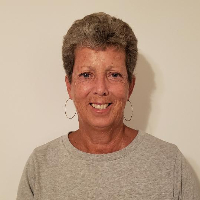




Heather Friend
LCSW, CSWColorado
- 8 yrs exp
Stress, Anxiety · Relationship · Trauma and abuse · +17
View Profile



Deborah Taylor
LCSWIllinois
- 47 yrs exp
Stress, Anxiety · Relationship · Trauma and abuse · +9
View Profile




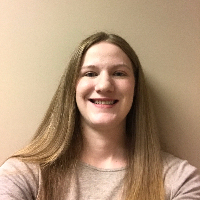
Understanding eating disorders and how they affect people
What eating disorders are
Eating disorders are patterns of thoughts and behaviors around food, eating, body image and weight that can significantly affect day-to-day life. Conditions people commonly seek help for include anorexia nervosa, bulimia nervosa, binge-eating disorder and other presentations that may not fit a single diagnostic label. For many, the experience is not only about food - it can involve intense self-criticism, rigid rules, emotional avoidance and disruptions in social, work or school functioning.
How eating disorders can touch your life
You may notice that an eating problem changes the way you spend time, think about yourself or organize your day. Relationships can feel strained when conversations about meals or body image dominate interactions. Concentration and energy can ebb and flow with restrictive or bingeing behaviors, and you might find that routines revolve around controlling what or how much you eat. Because eating behavior connects to both mental and physical aspects of health, addressing it often benefits multiple areas of your life.
Signs you might benefit from therapy for an eating disorder
Emotional and behavioral indicators
If you feel preoccupied with food, weight or shape for long stretches of time, or you notice repeated cycles of restriction, bingeing, purging or compensatory exercise, those patterns are signals that professional support could help. You may experience intense shame, anxiety about eating in public, mood swings related to eating episodes or avoidance of social events that involve food. Even when behaviors seem manageable, the internal distress and interference with daily plans are valid reasons to look into therapy.
Physical and functional signs
You might also observe changes in energy, sleep, menstrual cycles or digestive function, or find that eating-related behaviors impact your ability to work or participate in activities you used to enjoy. If meal routines are driven by fear, strict rules or rituals, or if thoughts about food interrupt your day, therapy can offer tools to restore balance. Reaching out for assessment is a practical step to understand the extent of the issue and to plan care tailored to your needs.
What to expect in therapy sessions focused on eating disorders
Initial assessment and goal setting
When you begin working with a therapist for eating concerns, the first sessions typically focus on understanding your history, current eating-related patterns and how the issue affects your life. You and the therapist will explore goals together - these might include reducing harmful behaviors, improving relationship with food and body, managing distressing emotions or coordinating care with medical or nutritional professionals. The process is collaborative, and goals may change as you make progress.
Session format and ongoing work
Therapy for eating disorders often blends skill-building with exploration of underlying thoughts and emotions. You can expect to work on practical strategies such as normalizing eating patterns, building coping tools for urges and addressing unhelpful self-talk. Some sessions may focus on family dynamics or interpersonal stresses that maintain the eating problem. If your care involves medical monitoring or nutritional support, the therapist can help coordinate care with the professionals you see so the therapeutic work aligns with your broader treatment plan.
Common therapeutic approaches and how they are used
Different approaches you may encounter
Therapists use a range of approaches when supporting people with eating disorders. You may see therapists who list cognitive behavioral therapy among their approaches, which commonly targets the thoughts and behaviors that maintain disordered eating. Some therapists note dialectical behavior therapy among their approaches to help with emotion regulation and distress tolerance. Family approaches are sometimes used for adolescents and young adults, and some clinicians mention interpersonal therapy to address relationship patterns that contribute to eating problems. Other therapists may include acceptance-based therapies or mindfulness-oriented strategies as part of their work.
How to interpret approach labels
Approach labels on profiles indicate methods a therapist uses, but they do not by themselves define the quality or exact content of treatment. When you review profiles, pay attention to how therapists describe their focus and experience, and consider whether their approach descriptions match what you feel would help in your recovery. Many people benefit from a combination of behavioral skills training, emotional processing and practical meal support. You can also ask about how a therapist integrates different approaches during an initial consultation.
How online therapy works for eating disorder care
The online session experience
Online therapy lets you meet with an Illinois-licensed therapist from a location that works for you. Sessions typically use video to preserve nonverbal communication, though some therapists also offer phone sessions when appropriate. You should prepare your environment so you can focus - choose a quiet, comfortable area where you feel at ease discussing sensitive topics. Therapists usually explain how they handle emergencies and coordinate with other providers, so you know what to expect if a medical or safety concern arises between sessions.
Coordination with medical and nutritional care
Because eating disorders can affect physical health, online therapy often works best when it is part of a broader plan that may include medical monitoring and nutrition support. You can discuss with a therapist how they typically communicate with other members of your care team while protecting your personal information. If you are working with a primary care clinician or dietitian, therapists can help align therapeutic goals with medical recommendations so your recovery proceeds in a cohesive way.
Choosing the right eating disorder therapist for Illinois clients
Licensure and practice scope
All therapists listed on this page hold active Illinois licensure, which enables them to provide online services to people in Illinois. Licensure indicates that a clinician meets the state requirements to practice within defined professional standards. When you review profiles, look for descriptions of clinical focus, years of experience, language abilities and notes about which populations they work with, such as adolescents, adults or specific identity groups.
Practical tips for narrowing your search
When deciding who might be a good match, consider how a therapist describes their approach and which issues they emphasize. You may want someone who lists cognitive or behavioral approaches if you prefer skills-based work, or someone who mentions family-focused methods if your eating concerns involve close relatives. Think about practical considerations too - languages spoken, whether they mention experience with co-occurring anxiety or mood concerns, and how they discuss coordinating with medical professionals. Trust your sense of fit - the therapeutic relationship itself is often a key part of progress, so choose someone whose description resonates with you.
Next steps
Start by browsing the listed profiles to gather a short list of clinicians whose focus and approach align with your needs. Reach out to read more about their background and to ask questions about how they work with eating disorders online. Taking that first step can help you move toward a plan that supports both your short-term safety and long-term wellbeing.